Morocco ranks among the most extraordinary destinations American travelers are booking right now. The Sahara dunes at sunrise, the winding lanes of Fes el-Bali, a mint tea poured from three feet high on a riad rooftop, none of it disappoints. What can disappoint is arriving to find that the Morocco tour operator you booked from your laptop looks nothing like what was promised: a 14-passenger minibus when the website said “small group,” a driver who speaks little English, and a camel ride that costs extra despite being listed as a highlight. The Morocco tour company landscape is crowded, and from thousands of miles away, it is genuinely hard to tell a passionate local operation from a middleman selling someone else’s arrangements at a markup.
Your guide and operator determine whether this trip feels authentic, personal, and worth every dollar, or whether it feels like a conveyor belt through postcard stops. This guide walks you through every criterion that matters: licensing, group size, guide credentials, pricing transparency, and the red flags hiding in plain sight in review sections. Locally staffed, small-group operators like Sahara Serenity Tours represent exactly the model this guide will teach you to identify. By the end, you will have a concrete shortlist framework and a step-by-step booking checklist to compare any Morocco travel company with confidence.
Local operator vs. reseller: the distinction that changes everything
What “local operator” actually means
A genuinely local Morocco tour operator is based in Morocco, staffed by Moroccan team members, and owns or directly manages its vehicles, desert camps, and supplier relationships. When something changes on your itinerary, a local team makes the call in real time because they know the road, the riad owner, and the alternative route. Contrast that with the reseller model: a company registered in Europe or North America that packages someone else’s ground arrangements and adds a margin. On paper, both look like tour operators. On the ground, the difference is significant.
The reseller model creates a layer of separation that shows up in the worst moments. If your vehicle breaks down outside Ouarzazate, the reseller calls the local subcontractor, who may or may not respond quickly. The reseller has often never met the guides it assigns to your trip and has never visited the desert camp it advertises in glossy photos. Many travelers, particularly those spending $1,500 or more per person, prefer to verify local operator credentials precisely because this gap in accountability becomes so costly when something goes wrong.
Where the quality gap shows up on the ground
Travelers consistently report in verified reviews on platforms like TripAdvisor that complaints about Morocco tours cluster around the same recurring failures: guides who cannot communicate in English, vehicles that do not match what was advertised, and itinerary changes that no one explained in advance. All three of these problems are more common when a booking layer sits between you and the people actually running your trip. A local operator with skin in the game and a reputation built in Morocco has every incentive to get this right. A reseller processing bookings from a different continent does not carry the same accountability.
How to confirm a Morocco tour operator is genuinely local
Checking is straightforward once you know what to look for. A Moroccan street address and local phone number are the starting point. Look for a team page with real guide names, faces, and bios rather than generic “our expert team” copy. Ask whether the operator owns its vehicles or subcontracts transport. A practical tip from experienced travelers: if a company answers WhatsApp at Moroccan hours rather than U.S. Eastern time, that is a reasonable signal that staff are actually based in-country. At Sahara Serenity Tours, every inquiry goes directly to the local team in Morocco, which is why response times and itinerary adjustments tend to be fast.
Licenses and certifications every legitimate Morocco tour company should show
The Ministry of Tourism license
Morocco’s Ministry of Tourism issues operator authorizations and travel agency licenses for companies selling tours and travel packages within the country. A reputable Morocco tour operator should display a license number or authorization reference somewhere on its website, or be willing to share it on request. This license matters because obtaining it requires commercial registration, proof of professional qualifications, liability insurance, and documentation of staff credentials. It is not a formality; it is the accountability structure that separates professional operators from informal arrangements.
If a company’s website has no mention of licensing and gives you a vague answer when you ask, treat that as a red flag. A legitimate operator has no reason to obscure documentation that exists specifically to protect you as a traveler. Press for a specific license or registration number, a credible company will provide one without hesitation.
Company registration and professional liability insurance
Two additional credibility signals matter: formal business registration in Morocco’s trade register, and professional liability insurance. Insurance is especially relevant for American travelers who are accustomed to consumer protections and legal recourse at home. Morocco has its own tourism complaints channels through the Ministry of Tourism, but those channels are far more accessible when the operator is formally registered and insured. An operator that does not mention insurance is not necessarily uninsured, but it is worth asking directly before you pay a deposit.
Guide certifications and what to ask about
Morocco distinguishes between national licensed guides, who are authorized to work across the country, and local or city guides, who are licensed only for specific areas. Both carry a professional card with a verifiable registration number issued by the Ministry. “Professional guide” on a website is meaningless without specifics. Ask whether your guide carries a national license, whether the same guide stays with you for the full trip, and whether guides are direct employees of the operator or freelancers contracted per departure. The answers reveal a lot about how seriously a Morocco tour company takes its ground-level quality control.
Group size limits and what they signal about the experience
Why the group cap is the single most revealing spec
Group size determines almost everything else about the quality of your trip. A small group fits through the narrow doorways of a family-run riad that a 16-person bus tour cannot enter. It allows the guide to pause at an unmarked alley in the medina and explain what a zellige artisan is actually doing without shouting over the crowd. At a Sahara camp, eight people sharing a campfire dinner feels intimate and memorable; 20 people eating in shifts feels like a resort buffet. The group cap is not a marketing detail, it is the structural commitment that makes everything else possible.
The 10-person model as a practical benchmark
Research into small-group tour satisfaction consistently shows that groups in the 6, 12 traveler range correlate with higher-quality experiences, and many well-regarded operators use a cap in that range as a hard operational limit. Sahara Serenity Tours, for example, caps shared group departures at 10 travelers, enforced at booking, not just stated in marketing copy. When evaluating any Morocco tour operator, ask for the specific maximum on your departure, not the “average” or “typical” group size. “Small group” language on a website is common. A stated maximum that the company is willing to put in writing is the actual signal. If the answer is vague, the cap probably does not exist in any meaningful way.
When large group tours still make sense (and when they don’t)
Large escorted tours from major international operators work for travelers who prioritize a fixed schedule, brand recognition, and the comfort of a well-known logistics chain. For someone who wants a structured checklist of cities with no decisions to make, that format delivers. For Sahara Morocco desert tours specifically, a medina walkthrough with an expert cultural guide, a desert camp dinner under stars, the smaller the group, the better the experience tends to be. Many travelers report that camel treks with 20 or more people feel significantly less personal than those with a smaller group of eight or fewer.
Private vs. shared tours: matching the format to your travel style
What you actually get with Morocco private tours
Morocco private tours mean your own vehicle, your own licensed guide, and a daily schedule that bends to your preferences. Want to spend an extra hour at the Ait Benhaddou kasbah because your family is slower in the morning heat? Done. Want to skip a stop and push toward the dunes while the light is good? Also done. Private tours are the right fit for couples and honeymooners, families traveling with children, travelers with physical considerations that affect pacing, and anyone with specific cultural or historical interests that go beyond the standard route.
When a small-group shared tour delivers more value
Solo travelers, pairs, and budget-conscious groups of two to four people often get more out of a well-run small-group departure than a private tour. The shared cost brings the per-person price down substantially, and a group of strangers that genuinely clicks around a campfire in the Erg Chigaga is one of the more memorable travel experiences available anywhere. The structured itinerary also removes decision fatigue for travelers who do not want to research every stop themselves. The key word is “well-run”: a vetted small-group Morocco tour operator with a real cap produces a very different trip than a budget operation filling seats to break even.
The price gap and what it reflects
For a 7 to 10 day itinerary, budget to mid-range private tours typically run $1,000 to $2,200 per person depending on accommodation tier and inclusions, while luxury private options range from $2,200 to $3,500 or more. Small-group shared departures covering the same core highlights often land between $800 and $1,800 per person. Neither format is inherently better value: a poorly run private tour is worse than a well-run shared departure at half the price. The right choice depends on your travel party, your pace preference, and how much flexibility matters to you on the ground.
What experienced Morocco guide credentials actually look like
English fluency is non-negotiable for American travelers
A guide’s English fluency matters far beyond basic directions. When you are walking through the tanneries of Fes or watching a gnawa musician play at dusk in Marrakech’s Djemaa el-Fna, you want someone who can give you real context, answer specific questions about Berber culture, and handle an unexpected situation clearly and calmly. Travelers consistently cite language barriers as one of the top frustrations on Morocco tours in TripAdvisor and Google reviews alike. “Our guides speak English” on a website does not tell you whether English means conversational fluency or survival-level phrases. Ask for specifics before you book.
Beyond language: cultural depth and route knowledge
The difference between a knowledgeable local guide and a driver with a script shows up fast on the road. A skilled guide improvises when something interesting appears. They have genuine personal connections in the communities you visit. Short answer: they know which tea house in Merzouga is worth stopping at and which one is a commission stop for the operator. That kind of knowledge comes from years of running the same routes with genuine curiosity, and it is what separates a good trip from one your family still talks about a decade later.
Questions to ask a Morocco tour operator about their guides before booking
Before you pay a deposit, send the operator these specific questions:
- How long has my assigned guide worked with your company?
- Does this guide hold a national Ministry of Tourism license, and can I see the license number?
- Will I have the same guide throughout the entire trip, or does the guide change by region?
- Who is the specific guide on my departure date, and can I see their bio or speak with them before booking?
Pay close attention to how specifically and quickly the operator answers. An operator that responds with real names, license numbers, and concrete details is showing you, before any money changes hands, how it operates when things matter most.
Transparent pricing and what “included” really means
Typical price ranges for 7 to 10 day Morocco tours in 2026
Most of the market for multi-day private Morocco travel falls into three pricing tiers, based on current operator listings and aggregated pricing data. Budget and basic private tours for 7 to 10 days typically run $1,000 to $1,400 per person. Mid-range comfort tours, which use well-rated riads and include a driver throughout, land between $1,400 and $2,200 per person. Luxury and upscale packages with premium desert camps, high-end riads in the imperial cities, and enhanced service run $2,200 to $3,500 or more. The main cost drivers are accommodation standard, how many nights you spend in the desert, whether a private driver accompanies you for the full duration, and whether luxury versus standard camp options are included.
What a well-structured package should always include
A properly structured Morocco tour package should clearly state: private or shared transport for the full trip duration, accommodation with at least breakfast included, a named licensed guide, and all camp and camel trekking fees if the Sahara is on the itinerary. If any of these line items are absent from the inclusions list, ask before you book rather than assuming they are covered. Any reputable operator should list inclusions and exclusions in plain language so travelers know exactly what they are paying for before committing.
The “not included” section is where operators reveal themselves
International flights, personal expenses, and travel insurance are standard exclusions everywhere and should not raise any concern. What deserves a second look is when a tour marketed as a desert experience lists “camel rides,” “entrance fees,” or “local guide fees” as separate costs in the exclusions. Those are not minor line items; they are core elements of the trip being advertised. An operator that buries these in fine print is not being transparent, and discovering surprise charges at Merzouga is significantly worse than negotiating the price from your couch at home.
Red flags hiding in plain sight in tour operator reviews
The complaint patterns that matter most
Aggregated review analysis on platforms like TripAdvisor reveals recurring complaint categories worth watching when you research any Morocco tour company. Vehicle condition tops the list: transport that does not match what was advertised, specifically poor air conditioning in summer heat or uncomfortable minibuses on long routes. Guide language skills follow closely: drivers assigned as guides who speak primarily French and Arabic, leaving English-speaking travelers without commentary or support. Third, undisclosed fees: extras that appear on arrival and were not mentioned in booking materials, including local guide tips, entrance fees, and add-on activities the operator treats as standard but charges separately.
How to read reviews without getting misled
An aggregate star rating tells you less than the composition of the reviews behind it. A 5.0 average based on 30 reviews carries less weight than a 4.8 with 400 verified trips. Look for reviews that are recent (within the last 12 months), specific rather than generic, and verified through a booking platform. Look also at how the operator responds to negative reviews. A professional, specific, non-defensive response to a complaint signals an operator that takes accountability seriously. A dismissive or template response tells you how the company handles problems when they actually happen to you.
The pressure and upsell pattern to watch for
One pattern appears consistently enough in negative reviews to warrant its own warning. Some operators route travelers through commission shops, add undisclosed local guides mid-trip who then expect significant tips, or pressure travelers into purchases at stops that were not on the original itinerary. When this appears repeatedly in reviews of the same operator, it reflects a business model that treats travelers as revenue sources beyond the booked price. The fix is vetting the operator before you leave home, not managing the situation on the ground in a foreign country.
A checklist to vet a Morocco tour operator and book with confidence
The shortlist stage: four criteria to check first
Run every operator you are considering through these four filters before going any further. Is the operator based in Morocco with a named local team? Do they display a Ministry of Tourism license number or provide one on request? Is the group size capped at 10 or fewer for shared departures, with that cap stated in writing rather than implied? Do guide bios show real credentials, English fluency, and time with the company? An operator that clears all four moves to the next stage. One that stumbles on even a single filter deserves a hard look at why before you proceed.
Direct questions to ask before you pay
Once an operator passes the initial filter, send these questions before any payment:
- Who is my specific guide on this departure, and what are their licensing credentials?
- What is the confirmed maximum group size on my departure date?
- What is included and excluded, in writing, for this exact itinerary?
- What is the cancellation and refund policy, including deposit terms?
- How do I reach your team directly if something changes during the trip?
Response quality matters as much as content. An operator that answers these questions specifically, promptly, and without deflection is telling you a great deal about how they operate when the trip is actually underway.
Confirming and booking safely
Pay through a secure, documented channel and get a written itinerary confirmation before departure. This confirmation should include your guide’s name, the group size for your departure, a day-by-day itinerary, all inclusions and exclusions clearly listed, and emergency contact details for the local team. Any reputable Morocco tour operator should be comfortable providing all of this before you commit. If an operator resists putting any of these details in writing, that resistance is your answer.
Choosing right so Morocco delivers on what it promises
Choosing the right Morocco tour operator is not about finding the cheapest price or the most polished website. It is about finding a team that is genuinely on the ground in Morocco, running their own tours with their own guides, keeping groups at a size that preserves the experience, and being fully transparent about what you are paying for. Every criterion in this guide points to a real, observable signal, not a bureaucratic checkbox.
Run every operator you are considering through the checklist, ask the direct questions above, and pay close attention to how quickly and specifically they respond. That responsiveness alone is one of the most reliable indicators you have before you book. A team that answers your questions clearly and fast from Morocco is a team that will answer your questions clearly and fast when you are standing in the medina wondering what happens next.
Morocco is worth doing right. The Sahara is worth seeing from a camp with eight people, not twenty-two. The kasbahs are worth understanding with a guide who can actually tell you what you are looking at. The whole trip, from Marrakech to the dunes and back, is worth trusting to a team that has run this route hundreds of times and genuinely cares whether you leave with memories that hold up. If you are ready to start planning, the team at Sahara Serenity Tours is based in Morocco, runs shared departures with a firm 10-person limit, and is happy to answer every question on this checklist before you commit to a single dollar. Reach out and see how fast they respond. That answer alone will tell you something.
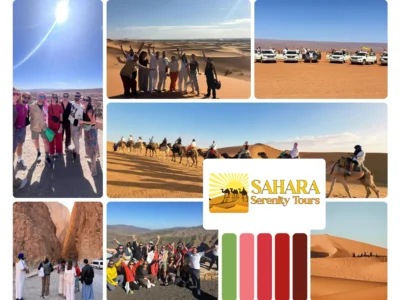
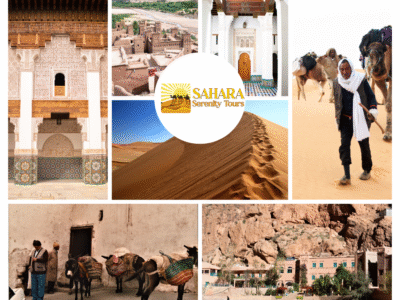
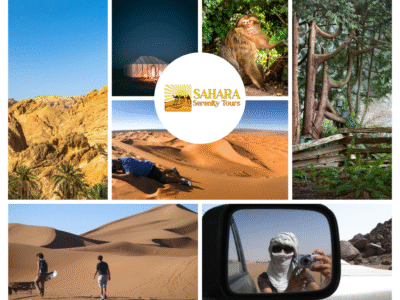
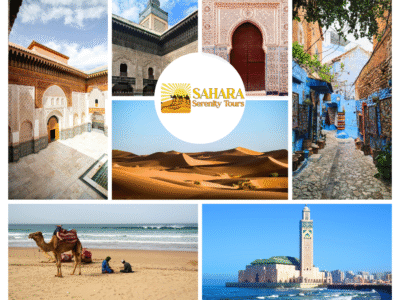
[…] A legitimate, professionally run Morocco travel agency answers all of these questions clearly and without hesitation. Vague answers or pressure to book before the policy is explained are red flags, not minor inconveniences. The way a company handles pre-booking questions tells you exactly how they’ll handle problems during your trip. For a step-by-step guide on vetting operators, see How To Choose A Morocco Tour Operator You Can Trust. […]
[…] I canali più utili per trovare operatori locali seri sono TripAdvisor, con attenzione specifica alle recensioni scritte da italiani, Google Reviews, i gruppi Facebook dedicati al Marocco e i forum di viaggiatori esperti. Un operatore affidabile ha un sito web funzionante, contatti fisici reali (indirizzo, numero di telefono, email professionale) e una presenza verificabile su più piattaforme. Non solo un profilo Instagram curato. La licenza ufficiale del Ministero del Turismo marocchino è un elemento concreto che puoi richiedere e che un operatore serio mostra senza esitazione. Per chi cerca indicazioni pratiche su come valutare le opzioni, può essere utile leggere una guida su come scegliere un tour operator in Marocco di fiducia. […]
[…] Il sito mostra prezzi chiari e itinerari dettagliati giorno per giorno, non solo foto suggestive delle dune. Risponde alle email o a WhatsApp entro 24 ore con informazioni concrete. Offre assistenza nella tua lingua in tutte le fasi: prenotazione, durante il viaggio e dopo il rientro. Sahara Serenity Tours, operatore berber di famiglia con sede in Marocco, propone pacchetti da 2 a 17 giorni con prezzi trasparenti, itinerari personalizzabili e assistenza in italiano. È il tipo di operatore locale da considerare quando si confrontano le offerte sul mercato. Per consigli pratici su come scegliere un tour operator affidabile leggi come scegliere un tour operator in Marocco. […]
[…] che vale la pena capire. Se non sai da dove partire, puoi anche consultare una guida pratica su come scegliere un tour operator in Marocco. Un’agenzia italiana vende il Marocco. Un operatore locale lo vive. Le guide italofone […]
[…] buscar al guía en ningún lado antes de pagar, algo no cuadra. Lea también nuestra sección sobre cómo elegir un operador turístico en Marruecos para saber exactamente qué preguntar y qué […]
[…] del guía antes de que paguéis el depósito, seguí buscando. Si querés una guía práctica sobre cómo elegir un operador turístico en Marruecos, esa información te ayuda a filtrar opciones […]
[…] El problema de fondo es la cadena de intermediación. Un patrón documentado en múltiples reseñas indica que muchas agencias que aparecen primero en Google no operan nada directamente: venden tours que en realidad ejecutan terceros. Vos pagás dos márgenes de ganancia y, si algo sale mal, no tenés interlocutor directo. El operador que te vendió el tour le echa la culpa al operador local; el operador local dice que no sabía nada de tus expectativas. Es una trampa evitable si sabés cómo elegir un operador de tours en Marruecos de confianza. […]