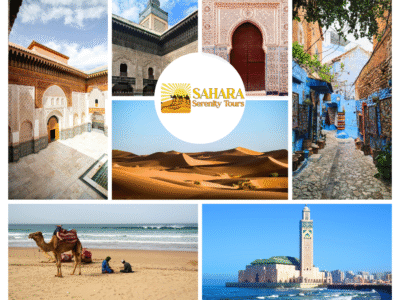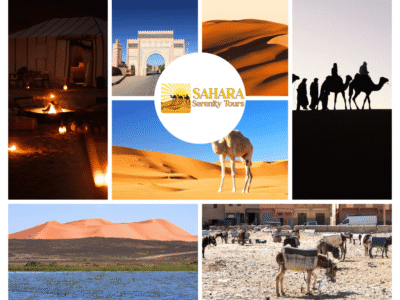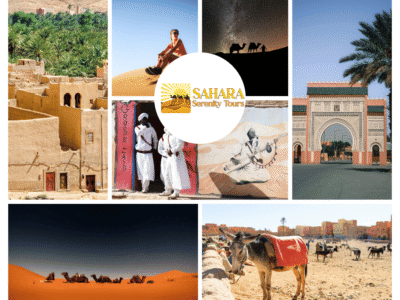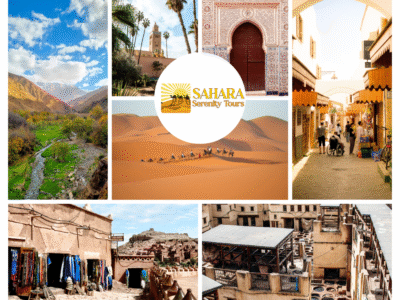
If you’re mapping out things to do in Marrakech for the first time, brace yourself: the smell hits you before anything else. Cumin, dried rose petals, cedar smoke, and something sweet you can’t immediately identify. Then the sounds reach you: a motorcycle weaving past a donkey cart, a distant call to prayer floating over rooftops, and the low hum of ten thousand conversations layered together inside the medina of Marrakech. You’ve arrived, and for a moment it’s a lot.
That initial overwhelm is completely normal. Marrakech is one of the most sensory-dense cities on earth, and first-time visitors often spend their first hour just standing still, trying to absorb it. But here’s the truth after years of guiding travelers through this city: the overwhelm fades fast, replaced by something close to euphoria. With a clear plan and the right priorities, Marrakech becomes one of the most rewarding places you’ll ever explore.
This guide covers all 25 of the best things to do in Marrakech, how to sequence them across one, two, or three days, current costs and opening hours for the major sites, and the practical details most travel articles skip over. One more thing worth noting upfront: Marrakech sits at the western gateway to the rest of Morocco. The desert, the imperial cities, and the Atlas Mountains are all reachable from here, and this guide comes back to that later.
Why Marrakech deserves a dedicated spot on your Morocco plan
Marrakech is not Morocco’s capital city, and it’s not the oldest of the imperial cities. But it may be the most complete. Within a walkable core, you get a UNESCO-listed medina, a world-famous central square, Moorish palaces that rival anything in Spain, botanical gardens designed by a French painter, and souks so layered and alive they could occupy an entire week on their own. Few cities pack this much variety into such a manageable footprint.
What makes it different from Morocco’s other imperial cities
Compare Marrakech to Fes and the difference is immediate. Fes is older, more intricate, and considerably harder to navigate on your own. Casablanca is a modern business hub that functions more like a gateway city than a destination. Marrakech sits in the middle: deeply authentic, historically rich, and far more visitor-ready than either. For American travelers arriving in Morocco for the first time, it’s the natural first stop because it offers the full Moroccan experience without throwing you in at the deep end.
How Marrakech fits into a bigger Morocco trip
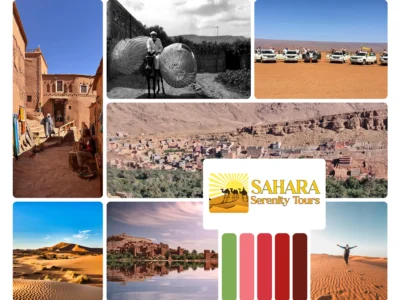
Most travelers use Marrakech as both arrival and departure point, then build outward. North takes you into the Atlas Mountains. West leads to the Atlantic coast and the charming walled city of Essaouira. East and south, across the High Atlas via the Tizi n’Tichka pass, the road eventually drops into the Sahara Desert near Merzouga and the Erg Chebbi dunes. That overland route is one of the most spectacular journeys in North Africa, and it starts right here. More on that in section eight. If you’re planning a wider itinerary, see Unlock The Itinerary For Morocco : Best Guide & Tips for recommended routes and sequencing.
Top things to do in Marrakech: Jemaa el-Fna and the souks
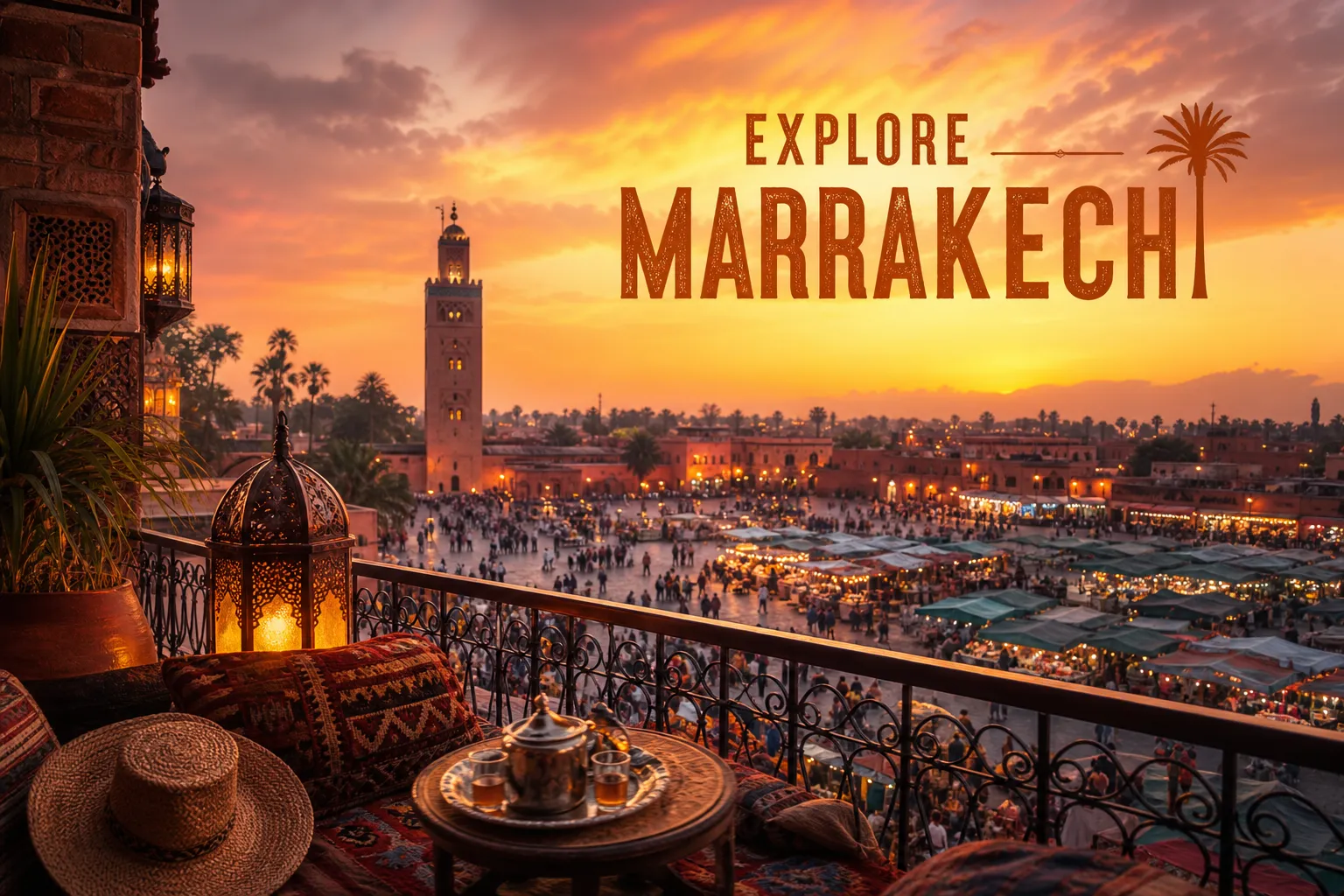
Everything in Marrakech orbits around Jemaa el-Fna. This massive central square is your compass point, your meeting place, and your entertainment venue all in one. During the day it operates as a lively open plaza with rows of fresh-squeezed orange juice stalls, henna artists at low tables, and traditional performers, snake charmers have historically been part of the square’s spectacle, though the specific acts you encounter will vary. It’s photogenic and chaotic in equal measure.
What to expect at the square by day and after dark
The square changes character three times a day, and the transformation is worth experiencing firsthand. Mornings are calm: vendors set up, the light is golden, and you can cross the square without being jostled. By mid-afternoon the energy builds, juice stalls multiply, and the first food carts appear at the edges. After dark, the square becomes something else entirely: dozens of food stalls serving grilled meats, snails, harira soup, and pastilla, with musicians, Gnawa performers, storytellers, and tight rings of spectators filling every corner. Plan to visit at least twice, once in the afternoon for the bazaar energy and once after sunset for the full spectacle.
How to navigate the souk lanes without getting lost
The souks radiate outward from Jemaa el-Fna in distinct zones. Closest to the square you’ll find spice sellers and orange-blossom water. Push deeper and you hit the lantern souk, the leather workers, the carpet traders, the ceramics stalls, and the silver jewelers. Each zone has its own smell and soundtrack. Download Maps.me or Google Maps offline before you go so you always have a reference point. Getting turned around is part of the experience, but know your riad’s name and address in Arabic, because any local shopkeeper can point you back toward a familiar street when you need it.
Bargaining basics for souk shopping
The first price a vendor quotes you is rarely the final price, and both parties understand that. Start at roughly half the asking price, stay relaxed and friendly throughout, and be prepared to walk away slowly if the gap won’t close. A polite exit often brings a better offer. Fixed-price shops exist throughout the medina and are clearly marked; use them if you’d rather skip the back-and-forth entirely. Always carry small Moroccan dirham bills because many market stalls are cash-only, and breaking a 200 MAD note for a 15 MAD purchase is its own negotiation.
Historic palaces and monuments every visitor should prioritize
The major monuments in Marrakech are not decorative attractions. They’re layered windows into Moroccan dynastic power, Moorish craftsmanship, and the kind of architectural ambition that shaped North Africa across several centuries. These are the sites that give the city its historical weight, and they reward visitors who take their time rather than rushing through for a photo.
Bahia Palace: 19th-century Moorish grandeur
Bahia Palace is one of the most accessible and visually overwhelming stops in the entire country. Built in the late 1800s for a powerful grand vizier, it features extensive ornate tilework, hand-carved cedar ceilings, painted plasterwork, and open courtyard gardens that manage to feel both lavish and serene. Plan on 60 to 90 minutes here. The palace opens daily from 8:00 a.m., and admission runs approximately 70 MAD at the official site or up to 100 MAD through some e-ticketing platforms, check the official source before booking. Arrive before 9:30 a.m. to beat the tour groups that descend mid-morning.
Saadian Tombs: the royal burial site rediscovered
These royal tombs were sealed by a sultan in the 17th century and only rediscovered in the early 20th century, which adds genuine mystique to the visit. Inside you’ll find two main mausoleum chambers lined with intricate stucco carvings and ornate architectural detail, surrounded by a larger garden cemetery where courtiers and servants were buried. The site is compact; budget 30 to 45 minutes. Because it sits close to Bahia Palace, combining both into a single morning is a natural and efficient choice for your first day.
Ben Youssef Madrasa: Islamic architecture at its finest
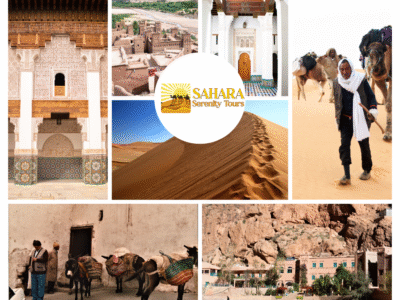
Ben Youssef Madrasa ranks among the most photographically rewarding stops in Marrakech and is frequently cited as one of the city’s most underappreciated sites. This former Quranic school, with medieval origins and later renovations, features floor-to-ceiling geometric zellige tilework, carved plaster panels dense with calligraphy and foliage patterns, and cedar wood screens of extraordinary detail. Stand in the central courtyard and look up slowly, because every surface has something worth studying. The madrasa sits within walking distance of the Marrakech Museum, making them a natural pair for a single morning block.
Gardens and galleries that reward a slower pace
By mid-afternoon in summer, the medina gets hot and the souks get crowded. This is the right time to shift pace and move toward Marrakech’s green spaces and galleries. These stops offer shade, genuine beauty, and a completely different engagement with the city’s cultural layers. They’re not fillers between monument visits; they’re destinations in their own right.
Majorelle Garden: book your ticket before you arrive
Jardin Majorelle was created by French painter Jacques Majorelle in the 1920s and later acquired by fashion designer Yves Saint Laurent, who restored and preserved it. The garden is famous for its vivid cobalt-blue buildings, a color now literally called Majorelle Blue, set against exotic cacti, bamboo groves, and a calm central pond. It’s genuinely beautiful and genuinely worth the price of admission: 170 MAD (approximately $17 USD) for standard international tickets. You must purchase tickets in advance online at tickets.jardinmajorelle.com because there is no walk-up ticket counter. The garden opens daily from 8:00 a.m. to 6:30 p.m. (last entry at 6:00 p.m.). A combined ticket option with the Yves Saint Laurent Museum next door is available and worth considering if you have any interest in design or fashion history.
Yves Saint Laurent Museum and Le Jardin Secret
The YSL Museum pairs the designer’s six-decade career in fashion with the Moroccan cultural influences that shaped his later work. It’s a polished, well-curated space suited to travelers with any interest in art, design, or the intersection of European and North African aesthetics. Le Jardin Secret is a smaller, less-visited alternative located inside the medina walls: a restored 19th-century garden with Islamic and tropical sections that offers genuine calm without requiring a taxi ride. If your second afternoon is open and you want to stay inside the old city, Le Jardin Secret is the right choice.
Menara Gardens: a quieter alternative on the city’s edge
The Menara Gardens require no ticket and no itinerary planning. They’re a centuries-old expanse of olive groves and orchards on the western edge of the city, anchored by a reflective pool that mirrors the Atlas Mountains on a clear day. This is the right stop for a traveler who needs to decompress between monument visits, and the late afternoon light here is excellent for photography. Add it to day two or three as a low-key, no-pressure counterpoint to everything else on the list.
Local experiences: some of the best things to do in Marrakech
Some of the most memorable things to do in Marrakech have nothing to do with opening hours or ticket prices. The city’s real character lives in the hammam, at the dinner table, and inside the courtyard of a well-chosen riad. These experiences are sensory rather than sightseeing, and they’re what travelers remember longest.
A traditional hammam: what it is and how to book one
A hammam is a steam-room cleansing ritual: you enter a hot room, soften your skin, and then receive a kessa scrub using a coarse mitt that removes dead skin layers. Many hammams follow this with a rhassoul clay mask treatment and a full-body massage. Two categories exist. Tourist-facing hammams near the medina have English-speaking staff, fixed pricing, and a straightforward booking process, typically in the range of 200 to 400 MAD for a full treatment, though prices vary by service level, location, and season. Traditional neighborhood hammams cost considerably less for the basic steam but require more confidence navigating the process without English support. For first-timers, a reputable tourist hammam is the right call. Book in advance because the well-regarded options fill up, especially on weekends.
Moroccan food you need to try and where to find it
The food in Marrakech is a reason to visit on its own. Start your morning with msemen, a flaky pan-fried flatbread served with honey and argan oil at any neighborhood café. Lunch belongs to a slow tagine at a proper sit-down restaurant, ideally somewhere without a photo menu at the door. For evening eating, the street food concentrated around Jemaa el-Fna after dark is genuinely excellent: harira soup ladled out of giant pots, grilled kefta, snails in broth, and fresh orange juice. A rooftop restaurant dinner with views over the square and the medina skyline is worth doing at least once. Almost all of the best street food is cash-only, so have small bills ready before you get hungry.
Staying in a riad: how to choose one and what to expect
A riad is a traditional Moroccan courtyard home, often converted into a guesthouse, with tiled interior walls, a central fountain or garden, and a rooftop terrace. Staying in one is not just convenient; it’s a core part of the Marrakech experience. The neighborhood matters for first-timers. The Bab Doukkala area gives you easier luggage access and slightly less maze-like navigation than staying deep inside the souk quarter. Before booking, confirm three things: whether the riad offers luggage assistance on arrival, whether breakfast is included, and whether you can get the address written in Arabic to show taxi drivers when you return at night. Riad Ambre et Epices in Bab Doukkala and Riad Albaraka near Jemaa el-Fna are both solid choices for a first visit.
Your 1-day, 2-day, and 3-day Marrakech itinerary
The sections above cover what to see in Marrakech. This section covers how to actually sequence it across whatever time you have. These plans are built around walking distances, opening hours, and realistic visitor volume patterns rather than optimistic assumptions about how fast you move through a crowded medina.
One day in Marrakech: the non-negotiable stops
Start your morning at Ben Youssef Madrasa when it opens, then cross to the nearby Marrakech Museum before the groups arrive. Walk south toward Bahia Palace for late morning, then combine it with the Saadian Tombs since they’re a short walk apart. Grab lunch at a rooftop café near the Kasbah area. Your Majorelle Garden ticket (pre-booked before you left home) should be for 2:30 or 3:00 p.m., which works perfectly after the midday heat. From Majorelle, take a petit taxi back toward the square (15 to 25 MAD). Spend the early evening in Jemaa el-Fna as the food stalls set up, then sit down for a proper rooftop dinner nearby. That covers the essential Marrakech experience in a single well-paced day.
Two days in Marrakech: filling in the gaps
Day two is slower and more immersive. Book your hammam session for 9:00 a.m. and plan on two hours. Afterward, spend late morning wandering the souks without any agenda: find the spice market, drift into the lantern zone, stop for mint tea if someone offers it genuinely. Afternoon is the right time for Le Jardin Secret inside the medina, which requires no booking and no taxi. Add a walk past Koutoubia Mosque at dusk when the light is warm and the mosque’s proportions become fully visible against the sky. Close the day with a food-focused evening on the square, trying dishes you skipped on night one.
Three days: the extended Marrakech experience
By day three, the city has opened up. Start with a morning cooking class, available through most riads or local operators, which typically runs two to three hours and ends with lunch. Use the afternoon for Dar Si Said Museum, which covers Moroccan craftsmanship through woodwork, textiles, and jewelry with an intimacy that the larger palaces can’t match. Consider the Menara Gardens for late afternoon, where you can sit by the water and watch the Atlas Mountains turn pink in the evening light. Save any remaining souk lanes for a final pass before dinner. Three days at this pace lets the city settle into you properly, rather than becoming a blur of sites ticked off against a list. For a ready-made plan, see 3 Days In Marrakech: The Perfect Itinerary | Sahara Serenity Tours.
Day trips worth adding to your schedule
Marrakech’s location makes it one of the best day-trip hubs in North Africa. Within a few hours in any direction, the landscape shifts dramatically, and each option offers something the city itself cannot: cooler air, open water, or pure natural spectacle. If you have two or three days in the city, add at least one of these.
Atlas Mountains and Ourika Valley
The High Atlas Mountains are about 90 minutes from Marrakech, and the contrast when you arrive is startling. You leave a terracotta desert city and enter steep green valleys, Berber villages built into mountainsides, and rivers cold enough to feel genuinely refreshing. The most popular routes go through the Ourika Valley, the village of Imlil at the base of Toubkal (North Africa’s highest peak), or both. A private 4×4 day trip offers the most flexibility and comfort; prices vary by operator, so compare a few local options before booking. Plan for a full 8-hour day.
Ouzoud Falls: Morocco’s most impressive waterfall
About two and a half hours east of Marrakech, Ouzoud Cascades are a series of multi-tiered waterfalls that drop 110 meters into a gorge carved through red rock. Barbary macaques live along the cliffs and are completely habituated to visitors. Small boats take you to the base of the falls for close-up views. This is the best day trip for travelers who want dramatic natural scenery without a strenuous mountain hike, and it’s one of the more budget-friendly excursions from Marrakech. It pairs well with a second day out if you’re spending three or more days in the city.
Essaouira: the windswept Atlantic alternative
Head west for roughly two and a half hours and the Saharan heat gives way to Atlantic wind and blue-and-white architecture. Essaouira is a UNESCO-listed port town with a laid-back medina that feels entirely different from Marrakech’s intensity: smaller, quieter, and much easier to navigate without a map. The seafood is outstanding, the wind draws kitesurfers from around the world, and the rampart walls offer clear views across the ocean. Because the drive is longer than the mountain options, treat this as a full 10 to 12-hour day whether you go independently or join an organized tour. It’s the right choice for travelers who need a change of pace and a taste of coastal Morocco.
Using Marrakech as a base for a bigger Morocco adventure
Many travelers arrive in Marrakech expecting to spend a few days in the city and leave. Some of them discover, usually on the second evening over mint tea on a riad rooftop, that Morocco has a lot more to offer than one city. The desert, the kasbahs, the Draa Valley, and the imperial cities to the north are all reachable from here, and a multi-day journey out of Marrakech is one of the most complete travel experiences available anywhere.
The classic route: Marrakech to the Sahara and back
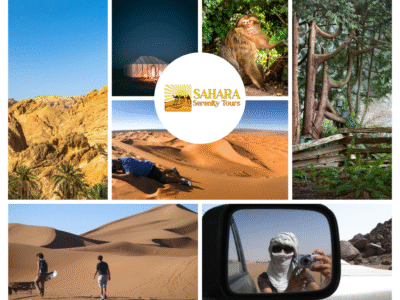
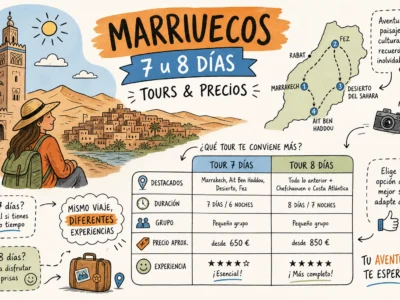
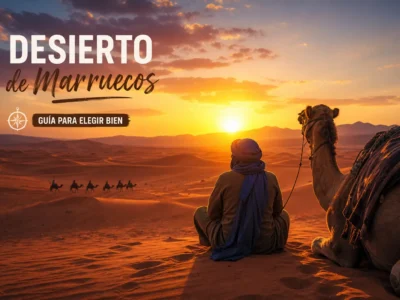
The overland drive from Marrakech to the Erg Chebbi dunes near Merzouga covers roughly 560 kilometers and is best understood as a journey through multiple Moroccos. The route climbs the High Atlas via the Tizi n’Tichka pass at 2,260 meters, then descends into the Draa Valley’s palmeries and mud-brick kasbahs, passes through Ouarzazate (Morocco’s film capital), and eventually reaches the edge of the Sahara Desert. Most travelers do this as a 3 to 4-day round trip from Marrakech: a night at a desert camp under a sky that makes you question every city you’ve ever called impressive, a camel trek into the dunes at dawn, and then a return journey that often routes north toward Fes for travelers continuing their Morocco trip.
Why a specialist operator makes the difference
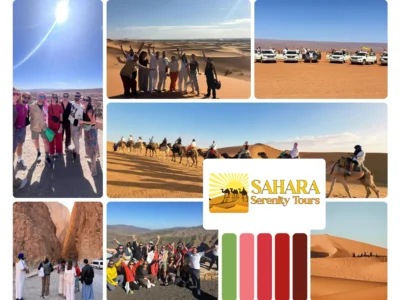
This route requires local knowledge that goes beyond GPS navigation. Finding the right desert camp at the right price point, knowing which kasbahs are worth stopping at versus which are tourist traps, communicating in small towns where French and Darija are more useful than English, and sequencing the drive efficiently across two or three days: these are the details that separate a genuinely great experience from a frustrating one. At Sahara Serenity Tours, our Marrakech-to-Fes desert tours cover exactly this corridor with small groups, experienced local guides, and every logistic handled from pickup to drop-off. It’s the natural continuation for anyone who arrives in Marrakech and discovers that Morocco has more to give. For an in-depth look at the city before you depart on any overland route, read The Complete Marrakech Morocco Guide : Unlock The Enchanting Red City.
Practical tips for first-time visitors to the medina
The medina is remarkably safe compared to its reputation, but it does require a different kind of attention than a European city center. The hazards are mostly minor and predictable, and a few practical adjustments before you walk in will make the whole experience much more comfortable.
Safety, transport, and getting around
The main physical hazards in the medina are motorcycles and scooters moving through narrow lanes without warning. Don’t wear headphones in the alleys, and don’t assume a lane is pedestrian-only just because it looks too narrow for a vehicle; stay alert at corners. For pickpockets, carry bags in front of your body, keep your phone in a front pocket or inside your bag, and zip everything in crowded market areas. Unofficial guides will approach you near the major monuments; a polite and direct decline is all you need. For getting around, petit taxis are the standard option for any journey that requires crossing from the medina to the Gueliz district or Majorelle Garden. Always ask for the meter before you get in. Standard city rides run 15 to 30 MAD during the day. If the driver refuses the meter, get out and take the next cab. Offline maps are your best navigation tool inside the medina; Maps.me and Google Maps offline both work reliably.
Cash, language, and the best time to visit
Moroccan dirham in small bills is non-negotiable for the souks. Many vendors and medina restaurants are cash-only, so use an ATM inside a bank branch (rather than a standalone street machine) during daylight hours and withdraw enough to cover two or three days of market spending. A few French phrases go a long way in market interactions: “combien?” asks the price, “trop cher” signals you think it’s expensive, and “où est?” gets you directions. These three phrases alone will open more doors than any amount of English. For timing, spring (March through May) and fall (September through November) are the most comfortable seasons, with warm days and cool evenings. Summer is hot and dry but manageable with early starts and afternoon shade. Winter days are pleasant, but nights can drop to near freezing, particularly if you’re heading to the mountains or desert after Marrakech.
Your Marrakech trip starts with the right priorities
Marrakech rewards travelers who arrive with a plan but leave room for the medina to do what it does best: surprise you. A wrong turn becomes the best alley you’ve walked. A tea invitation from a shopkeeper becomes a 45-minute conversation about Moroccan history. A quiet lunch spot becomes your favorite place in the city. The plan gets you to the right neighborhoods at the right times; the city fills in the rest.
Before you leave home, do three things: book your Majorelle Garden tickets at tickets.jardinmajorelle.com, withdraw enough dirham from a reliable ATM on arrival, and look up the phrase “trop cher” one more time. Once you’re in the city, visit Jemaa el-Fna twice (afternoon and after dark), sit down for at least one proper Moroccan meal at a medina restaurant, and spend at least an hour in the Ben Youssef Madrasa without rushing. Those four moves will give you Marrakech at its best.
These are the essential things to do in Marrakech that will make your first visit unforgettable. And if the city opens something wider in you, if you find yourself looking east toward the mountains and wondering what’s on the other side, Morocco’s desert, kasbahs, and imperial cities are right there waiting. Marrakech is a beginning, not a destination. Browse our desert tours at Sahara Serenity Tours and see how naturally Marrakech connects to the rest of this extraordinary country.
Frequently asked questions about things to do in Marrakech
What are the top things to do in Marrakech for first-timers?
The non-negotiables for first-time visitors are Jemaa el-Fna (visit both afternoon and after dark), Ben Youssef Madrasa, Bahia Palace, the Saadian Tombs, and Jardin Majorelle. Add a hammam session and at least one proper sit-down Moroccan meal and you’ll have covered the full range of what makes the city worth the trip.
How many days do I need in Marrakech?
Two full days is the practical minimum to cover the major monuments, a garden visit, and an evening on the square without feeling rushed. Three days lets you add a hammam, deeper souk exploration, and a day trip to the Atlas Mountains or Essaouira. Four or more days opens up the possibility of a multi-day desert route toward the Sahara.
What’s the best way to see Marrakech and the Sahara together?
The classic approach is a 3 to 4-day overland journey from Marrakech through the High Atlas, the Draa Valley, and into the Erg Chebbi dunes near Merzouga. Sahara Serenity Tours offers guided Marrakech-to-Sahara desert tours that handle all logistics, transport, accommodation, and local guiding, so you can focus on the journey itself.