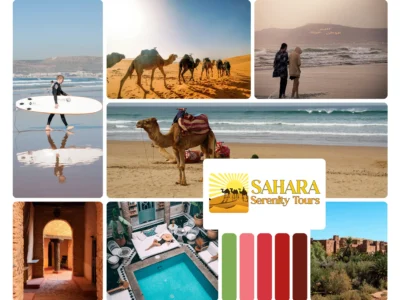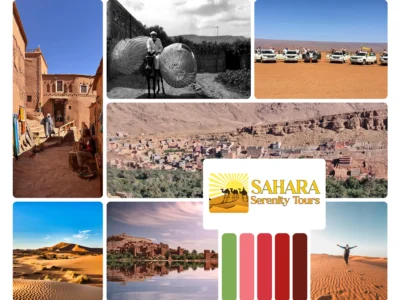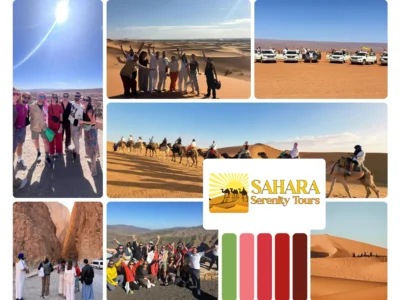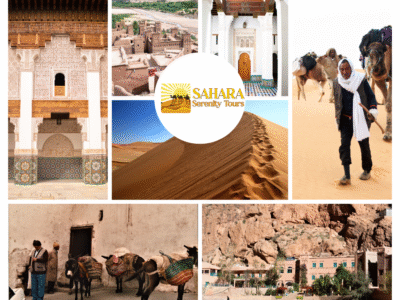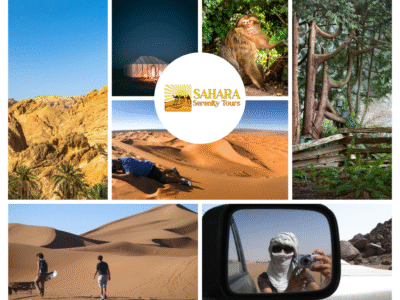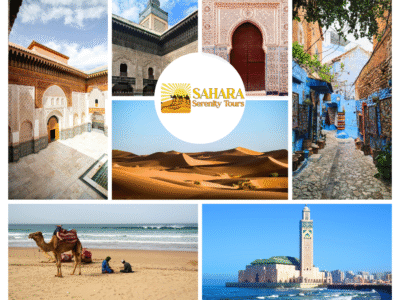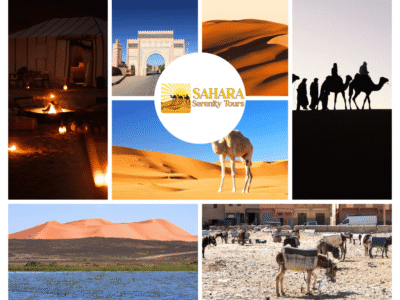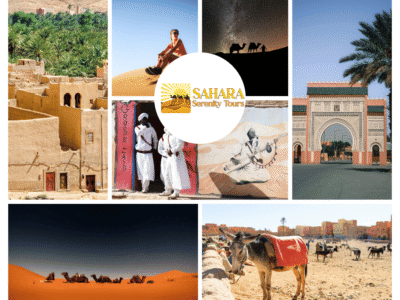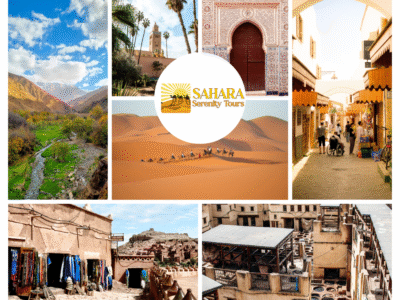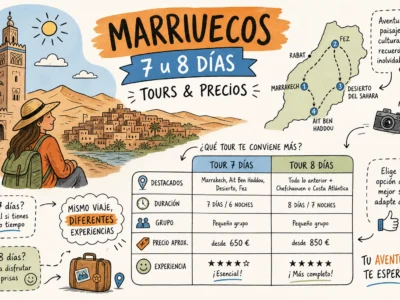
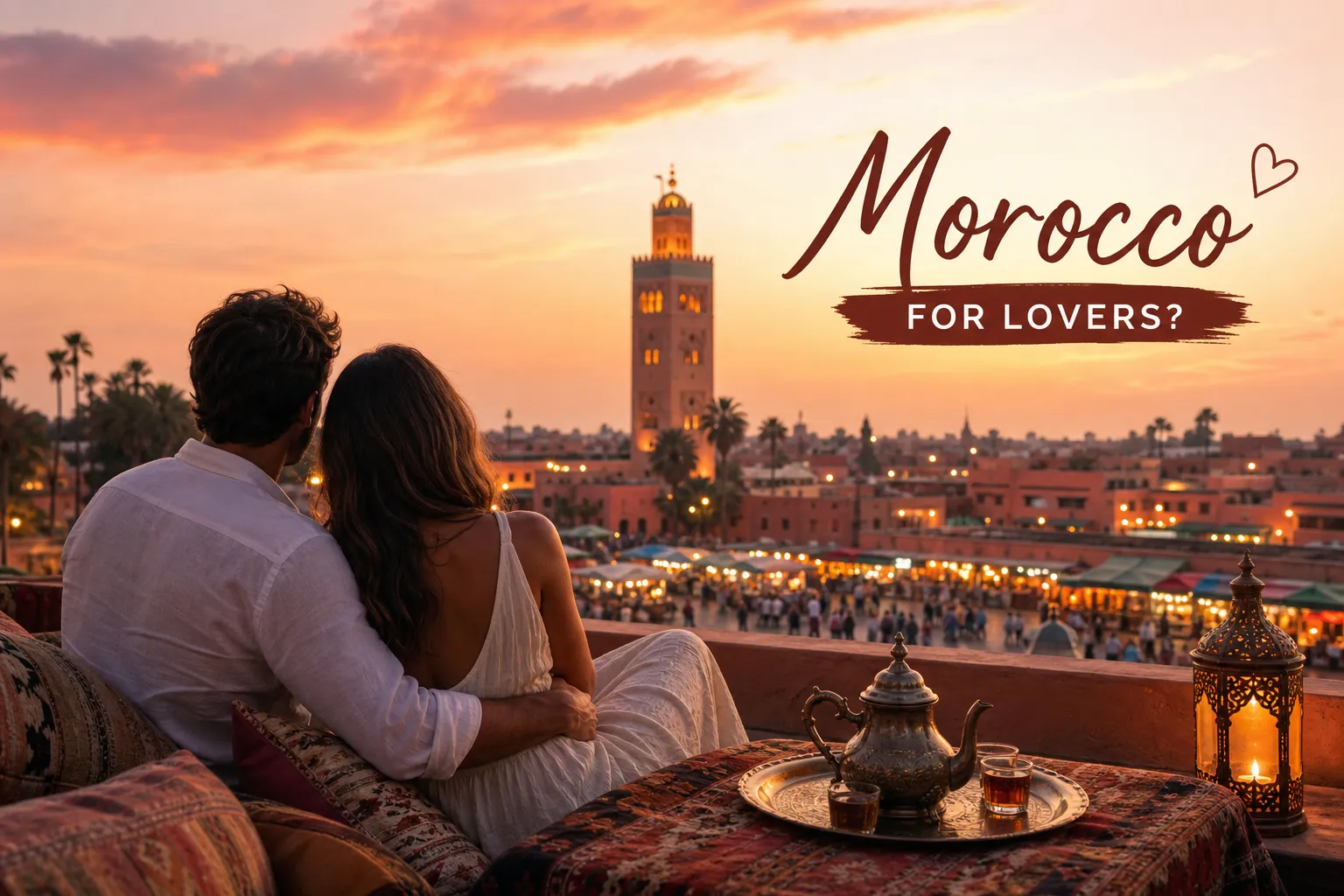
Is Morocco a good honeymoon destination for American couples? It’s the question we hear most before couples book the flight, and it deserves a real answer, not a glossy brochure pitch. Rose-petal courtyards inside ancient riads, camel silhouettes against Sahara dunes at golden hour, candlelit dinners in medinas that smell of saffron and cedar, and the sound of Atlantic waves crashing against Essaouira’s blue-and-white ramparts: the photos are real, and the experience is real. But American couples also have genuine questions before committing: Is Morocco actually safe? Will cultural norms make it uncomfortable? How much does a proper honeymoon there cost? These are fair questions, and they deserve direct answers.
This guide covers everything American honeymooners need to know, from safety and seasonal timing to romantic accommodation options across all budget levels, cultural etiquette, and two complete sample itineraries. The experience behind this guide comes from helping American couples plan private Morocco honeymoon trips through Sahara Serenity Tours, a specialist operator based in Morocco with a team of local guides who know the country’s most romantic corners intimately. By the end, you’ll know whether Morocco is the right call for your honeymoon and exactly how to plan it.
Why Morocco Stands Out as a Honeymoon Destination
The typical American honeymoon circuit runs through Santorini, Amalfi, or Paris. These are beautiful places. Morocco offers something genuinely different: a combination of landscapes, cultures, and raw sensory experiences that no single European country can replicate. The country packs red-sand desert dunes, snow-dusted mountain ranges, medieval medinas, and Atlantic coastline into one destination. For couples who want a honeymoon that feels like an adventure rather than a resort holiday, Morocco delivers at every turn.
A Destination That Rewards All Five Senses
Morocco is one of those rare places where every sense is engaged from the moment you land. The smell of rose water and cumin drifts through the souks. Desert silence at midnight is so complete it feels physical. Handwoven Berber rugs and hand-painted zellige tiles beg to be touched. Slow-cooked tagines and fresh-squeezed orange juice greet you at breakfast. This kind of full sensory immersion is why so many couples describe their Morocco honeymoon as the trip they still talk about years later, not just a week of Instagram content, but a genuine shared experience.
Visa-Free Entry and Practical Ease for Americans
American passport holders enter Morocco without a visa for stays of up to 90 days. According to U.S. State Department guidance, your passport must be valid for at least six months from your entry date and have one blank page for the entry stamp. That’s it. Royal Air Maroc and connecting carriers offer direct and one-stop service into Marrakech Menara Airport and Casablanca’s Mohammed V International Airport from major East Coast hubs including New York (JFK), Washington D.C. (IAD), and Newark, with typical travel times in the range of 8 to 10 hours from the East Coast. No lengthy visa applications, no bureaucratic hurdles before your trip even begins. For additional practical advice tailored to U.S. travelers, see our Morocco Travel Guide For Americans 2026.
The Intimacy Factor That Other Destinations Can’t Replicate
Santorini in peak summer means crowds on every cliff path and a wait list at every sunset restaurant. Morocco’s private riads, by design, face inward. Walled off from the street, they create their own quiet worlds of tiled courtyards and plunge pools. The Sahara’s scale achieves the same effect differently: at a luxury desert camp, you can walk two minutes from your tent and be completely alone under a sky with zero light pollution. That architecture-built and landscape-driven intimacy is exactly what honeymooners are looking for, and Morocco offers it consistently.
Is Morocco a Good Honeymoon Destination for American Couples? Here’s What the Experience Actually Looks Like
Morocco is large and varied enough that where you go matters as much as the fact that you’re going. These four regions deliver the highest density of genuinely romantic experiences and form the backbone of most honeymoon itineraries.
Marrakech Honeymoon Itinerary: Riads, Rooftops, and Sensory Overload
Marrakech works perfectly as an arrival city because it demands your full attention from the first hour. Check into a riad in the medina, and the chaos of the street disappears behind a carved wooden door. Inside, you’ll find mosaic courtyards, the sound of a central fountain, and rooftop terraces that rise above the city’s roofline. Properties like Royal Mansour (from approximately $1,200 per night) and Dar Ahlam set the benchmark for luxury stays. More accessible picks like Riad Fes (from approximately $250 per night), Riad Kheirredine, and Riad Assakina, which range from roughly $180 to $310 per night depending on season and room type, consistently earn strong reviews from couples for privacy, atmosphere, and service. (All rates are approximate, vary by season, and should be confirmed directly with the property or a current booking platform.) Marrakech rewards a day of medina wandering, a couples’ hammam, and a rooftop dinner as Jemaa el-Fnaa comes alive below.
Sahara Desert Honeymoon: Where Honeymoons Become Legendary
No part of Morocco’s honeymoon story is more powerful than the Erg Chebbi dunes near Merzouga. These are the dunes from the photos: towering orange-red sand mountains that shift color from gold to copper to deep ochre as the sun moves across the sky. A camel trek into the dunes at dusk, followed by a night in a luxury desert camp with a private tent, a fire, and a sky full of stars, is the kind of experience couples fly 10 hours to have. The Erg Chebbi Luxury Desert Camp offers a dome tent designed with couples in mind, featuring a private terrace and en-suite bathroom, confirm current availability and amenities directly when booking. At Sahara Serenity Tours, the Sahara desert camp night is the centerpiece of every honeymoon itinerary we build, and it’s consistently the moment couples mention first when they get home.
Essaouira: Coastal Sunsets and a Slower Pace
Essaouira is the antidote to Marrakech’s intensity. This Atlantic port city runs at a different speed: ocean breezes, blue-and-white medina walls, fishermen unloading the morning catch, and terrace restaurants where you can eat grilled prawns while watching the sun drop into the sea. The climate is mild year-round, rarely exceeding 75°F even in summer, making it an ideal add-on for couples who want to decompress at the end of a desert itinerary. It also photographs beautifully, which never hurts.
The High Atlas: Mountain Quiet for a Romantic Retreat
Most couples don’t list the High Atlas as their primary reason for coming to Morocco, but many call it their favorite surprise. The Imlil valley and surrounding Berber villages deliver cool mountain air, traditional kasbah stays, and a quietness that city destinations simply don’t offer. At Kasbah Tamadot, Richard Branson’s ultra-luxury mountain retreat, the views over snow-capped peaks set a scene that needs no filter. Even more modest kasbah stays in the Atlas feel like a world removed from the rest of the itinerary, and that contrast is a big part of what makes them so memorable for honeymooners.
Is Morocco Safe for American Honeymooners?
Safety is the first question most American couples ask, and it deserves a direct answer, not dismissiveness, and not alarm. Morocco is a manageable, often genuinely enjoyable destination for honeymooners, but you should go in with your eyes open, the same way you would in many popular global destinations.
What the U.S. State Department Currently Says
Morocco sits at Level 2: Exercise Increased Caution on the U.S. State Department’s travel advisory scale. The cited reason is terrorism risk: groups may target tourist areas, transportation hubs, markets, and crowded public spaces. Level 2 is the same advisory level applied to many popular European destinations, including France, Germany, and Belgium. The advisory acknowledges real risk without recommending against travel. Read it, understand what it means in practice, and let it inform your precautions rather than your decision to go.
Practical Safety Habits That Make the Real Difference
Couples who have uncomfortable experiences in Morocco are often the ones who didn’t prepare for the environment. Those who have magical trips tended to follow common-sense habits that apply to any unfamiliar city. Keep phones and wallets secure in crowded souks. Book accommodations and tours through vetted operators rather than accepting offers from strangers on the street, the U.S. State Department recommends using established local contacts for exactly this reason. Stay aware in busy medinas and avoid poorly lit areas after midnight. The vast majority of honeymooners who follow these basics report stress-free, romantic trips.
Is Morocco Safe for Women and Couples?
Harassment of women is a documented reality in major Moroccan cities and is worth acknowledging honestly. Solo female travelers experience it more frequently. Couples traveling together, dressed modestly and using a private guide, have a significantly different experience. A private tour with a local guide from a trusted operator like Sahara Serenity Tours changes the dynamic entirely: your guide handles interactions, navigates situations before they develop, and knows which neighborhoods and times of day require extra awareness. Public displays of affection also attract unwanted attention; keeping romance for private spaces is both culturally respectful and practically smart.
Best Time to Honeymoon in Morocco
Morocco’s climate varies so dramatically by region that “the best time to visit” depends heavily on which parts of the country you plan to cover. A complete picture helps you plan a trip that’s comfortable from beginning to end.
Spring and Fall: The Sweet Spot for Most Couples
March through May and September through November are the ideal windows for a honeymoon covering Marrakech, the Atlas Mountains, and the Sahara. Marrakech averages 73°F to 82°F in spring and returns to that comfortable range in October, with minimal rain. The High Atlas valleys bloom with wildflowers in April and May. Erg Chebbi dune temperatures reach a pleasant 90°F during the day in April, with cool, sweater-worthy nights perfect for sitting around a desert campfire. These shoulder seasons also mean more manageable crowds at major sites.
Summer and Winter: What to Realistically Expect
Summer in the Sahara is extreme. Merzouga regularly exceeds 110°F in July, and even Marrakech pushes 100°F. A desert camp stay in summer requires committing to very early morning and late evening activity, with everything else essentially off the table during midday. It’s doable, but it’s not the relaxed romantic experience most couples picture. Winter flips the desert experience: daytime dunes are peaceful and beautiful, but nights drop close to freezing, requiring proper layers. Marrakech in winter is genuinely pleasant, with mild days in the high 60s, a surprisingly underrated time to visit the city itself.
Ramadan: An Important Variable for American Couples
Ramadan is a beautiful but noticeably different time to visit Morocco. Many restaurants operate with limited daytime hours, street food stalls close during daylight, and the atmosphere in medinas shifts considerably. After sunset, the country comes alive with iftar celebrations and a warm communal energy that many travelers find deeply meaningful. The practical advice: check the Ramadan calendar before booking, understand what changes, and decide whether that experience aligns with what you want from your honeymoon. It’s not a reason to cancel, but it’s a variable worth knowing about in advance.
What a Morocco Honeymoon Actually Costs
Morocco spans a wide budget range, and vague guidance doesn’t help anyone plan a real trip. Here are realistic numbers based on what American couples actually spend, broken into three clear tiers.
Flights from the U.S. and Arrival Logistics
Round-trip airfare from major U.S. cities typically runs $900 to $1,800 per couple, depending on departure city, time of year, and how many connections you’re willing to accept. Royal Air Maroc operates direct service from New York and Washington D.C. to Casablanca and Marrakech, with travel time around 8 hours from the East Coast. Booking 3 to 4 months in advance during shoulder season generally lands you at the lower end of that range.
Riad and Resort Rates by Budget Tier
Accommodation in Morocco spans a wide range, and even mid-tier riads deliver a genuinely romantic experience. Here’s a realistic breakdown for 2026:
- Comfortable midrange: $150 to $350 per night for a well-rated boutique riad or kasbah stay
- Upper midrange: $350 to $600 per night for properties like Riad Fes or boutique Atlas kasbahs
- Luxury: $600 to $1,200+ per night for Royal Mansour, El Fenn, or premium Erg Chebbi desert camps
Morocco Honeymoon Packages: Private Touring and Total All-In Budgets
Private tour costs run $700 to $2,500 depending on duration, level of customization, and accommodation selection. For a 7- to 10-day honeymoon, including flights, accommodation, private touring, meals, and experiences, realistic all-in figures break down into three scenarios. A comfortable midrange honeymoon lands at $5,500 to $7,500 total for two. Upper midrange runs $7,500 to $10,000. A full luxury honeymoon with premium riads, a private driver throughout, and top-tier desert camps comes in at $10,000 and up. Many couples who’ve traveled both Morocco and comparable Mediterranean destinations find that Morocco delivers strong value for money at each tier, though your own experience will depend on timing, routing, and how you like to travel.
Cultural Norms American Couples Should Know Before Arriving
Understanding Moroccan culture isn’t about following a rigid rulebook. It’s about showing respect in ways that earn immediate warmth from the people you meet, and sidestepping a handful of situations that would otherwise create unnecessary friction during what should be a seamless trip.
Dress Code: What to Pack and What to Leave Home
Both partners should pack clothing that covers shoulders and knees for public settings, markets, and religious sites. This applies to both men and women: sleeveless tops and very short shorts draw attention outside beach areas. Women should carry a light scarf for mosque visits. Marrakech is more lenient than rural villages, but conservative dress everywhere reduces unwanted attention and earns genuine respect from locals. The practical rule is simple: dress for comfort and modesty in public, then wear whatever you like in your riad courtyard or desert camp.
Public Affection and What’s Actually Acceptable
Holding hands in tourist-facing areas is generally fine and won’t draw negative attention. Kissing, cuddling, and other intimate contact in public is considered disrespectful and can generate friction. This isn’t a significant constraint for most honeymooners: Morocco’s private riads, desert camps, and terrace restaurants give couples plenty of romantic, secluded space to be as affectionate as they want. Think of public spaces as the backdrop and your riad as the stage.
Daily Etiquette: Greetings, Meals, and Photography
Use the right hand for greetings, eating, and exchanging money or gifts. When meeting a Moroccan woman, wait for her to extend her hand rather than initiating contact. Always ask before photographing locals, and respect a refusal immediately. Tipping guides, drivers, riad staff, and restaurant servers is standard and expected. These habits take minutes to learn and make a real difference in how every interaction on your trip feels, from the medina to the desert camp.
Sample 7-Day Morocco Honeymoon Itinerary
This version covers the core highlights at a well-paced tempo, with one full desert camp night and enough time in Marrakech to actually relax into the city. It works well for couples with a week of vacation time.
Days 1 and 2: Arrival in Marrakech and Settling In
Day one is for arriving, checking into your riad, and decompressing. A hammam session in the late afternoon resets the body after a transatlantic flight. Day two belongs entirely to Marrakech at your own pace: wander the spice souks in the morning, spend an hour in the Bahia Palace gardens, and book a rooftop dinner table above Jemaa el-Fnaa for the evening. The square transforms at dusk into one of the most theatrical public spaces on earth, and watching it from above with a glass of fresh-squeezed juice is a genuinely romantic way to spend a first full evening.
Days 3 and 4: Over the Atlas and Into the Desert
An early morning drive south takes you over the High Atlas via the Tizi n’Tichka pass, with views that justify every photo stop your driver suggests. Aït Ben Haddou, the UNESCO-listed fortified village that served as a backdrop for multiple major films, makes for a perfect late-morning stop with a leisurely lunch before continuing east toward Merzouga. Arriving at Erg Chebbi in the late afternoon gives you golden-hour light for the camel trek into the dunes, settling into your luxury desert camp just as the stars begin to appear. The silence of the Sahara at night is something no description fully prepares you for.
Days 5 Through 7: Sahara Sunrise, the Return, and Final Marrakech Hours
Wake before dawn for the sunrise over Erg Chebbi. The dunes shift from deep purple to molten gold as the light climbs, and in those first quiet hours the desert feels entirely yours, no sounds, no other footprints, just the two of you and the scale of the Sahara. Spend the morning exploring before beginning the return drive west. Day six takes you back through the Atlas scenery, with the changing light on the mountain passes offering a different but equally striking perspective. Day seven gives you one final Marrakech morning for last-minute souk browsing or a spa treatment before your departure flight.
Sample 10-Day Morocco Honeymoon Itinerary
This is the version for couples who want to absorb Morocco rather than sprint through it. A 10-day romantic route allows for real downtime, a mountain night, two full desert days, and an Atlantic coast finish in Essaouira that no one who adds it ever regrets.
Days 1 Through 3: Marrakech in Depth
Three full days in Marrakech without a departure deadline is a different experience entirely. Day one is for arrival and settling in. Day two for proper medina exploration: the Jardin Majorelle, the Saadian Tombs, a cooking class in the afternoon if you’re interested. Day three for the things that require no agenda, a spa morning, a rooftop breakfast that runs until noon, a slow evening in a restaurant in the Mellah quarter. This version of Marrakech, the unhurried one, is the one honeymooners describe when they get home.
Days 4 Through 6: Atlas Villages and the Road to the Sahara
Day four heads to Imlil or another High Atlas village for a night in a mountain kasbah. The air is cooler, the views are dramatic, and Berber village life is genuinely different from anything in the city. Day five crosses the High Atlas to Aït Ben Haddou and Ouarzazate, with time to explore the kasbah and have dinner in the rose-valley corridor. Day six follows the Draa Valley road toward Merzouga, one of the most scenic drives in all of Morocco, with palmeries and ancient kasbahs lining the route to the dunes.
Days 7 Through 10: Sahara Desert Honeymoon, the Return Journey, and Essaouira
Two nights in the Sahara region means no rushing. A proper desert camp stay, a 4×4 excursion into the dunes, and time to visit a desert oasis and a local Berber village round out a full desert experience. The return journey on day nine swings west toward Essaouira, arriving in the late afternoon in time for a sunset walk along the ramparts. Day ten is entirely Essaouira: seafood breakfast, a wander through the blue medina streets, an afternoon on the beach, and a final dinner facing the Atlantic before the drive back to Marrakech for your departure.
How to Book a Morocco Honeymoon That Actually Delivers
The gap between a mediocre Morocco trip and a genuinely unforgettable one usually comes down to who planned it. Booking piecemeal online from the U.S. means making dozens of decisions about logistics, routing, and accommodation quality without the local knowledge to evaluate them properly. A specialist private operator handles all of that and knows what couples actually need versus what just looks good on a website.
Why Private Tours Work Best for Honeymoons Specifically
Shared group tours have their place for solo travelers and friend groups looking for social energy and budget efficiency. For a honeymoon, private matters. A private tour means departing on your schedule, stopping where you want to linger, and having a guide whose full attention is on you and your partner. The Sahara is better when you’re not sharing the moment with eight strangers. The riad breakfast is better when no one is rushing you to the lobby. This is not just a vacation, it’s one of the most significant trips of your life, and the logistics should reflect that.
What Sahara Serenity Tours Offers Couples
Sahara Serenity Tours specializes in fully private, customizable Morocco honeymoon packages for American couples. Every detail, from riad selection to luxury Sahara camp nights to routing through the Atlas, is handled end-to-end by a local team with deep firsthand knowledge of Morocco’s most romantic corners. Itineraries are built from scratch around each couple’s preferences, pace, and budget rather than slotted into a fixed template. The team handles English-language communication throughout, transparent USD pricing, and all the logistical coordination so that couples arrive in Morocco and simply experience it.
What Honeymooners Say After Their Trip
Couples who have traveled with Sahara Serenity Tours consistently highlight three things in their reviews: the quality of their private guide, the Sahara camp experience, and the unexpected personal touches their guide arranged along the way. One couple mentioned that their guide organized a private rooftop dinner in the medina that wasn’t on any itinerary. Another wrote that the desert sunrise was the single best experience of their entire honeymoon. These aren’t outcomes that happen by accident, they happen when a knowledgeable local team builds a trip with real care. Explore Sahara Serenity Tours’ Romantic Morocco Tour and reach out to start planning your own.
So, Is Morocco a Good Honeymoon Destination for American Couples?
The direct answer is yes, provided you go in curious, prepared, and with a good local operator behind you. Morocco is not Santorini. It’s not Bali. It doesn’t offer the sanitized, resort-poolside version of romance. What it offers is something older and harder to replicate: ancient medina streets that smell of cedar and rose water, a desert so vast and quiet it recalibrates your sense of scale, mountain villages that haven’t changed in generations, and a culture of hospitality that consistently surprises American travelers who expected distance and found warmth instead.
Is Morocco a good honeymoon destination for American couples who want their trip to feel like a real experience rather than a backdrop? Absolutely. The couples best suited to Morocco are the ones who want to remember it as an adventure they took together, not just a place they stayed. If that sounds like you, Morocco delivers at every turn.
Reach out to the team at Sahara Serenity Tours to start planning your private Morocco honeymoon itinerary. Share your travel dates, your priorities, and any must-have experiences, and the team will build you a custom itinerary from the ground up. The Sahara is waiting.