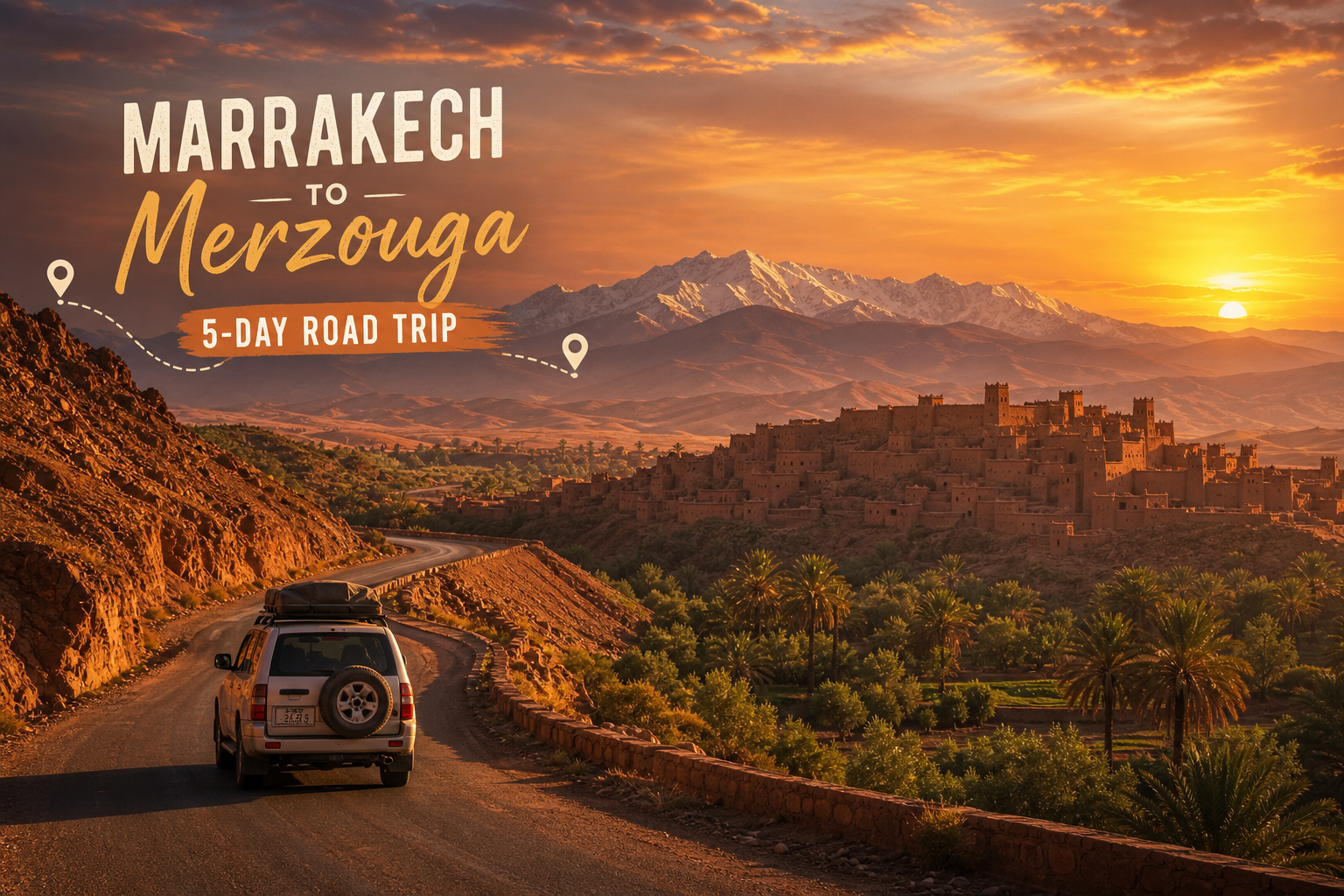
Planning the best Marrakech to Merzouga road trip itinerary for 5 days starts with understanding what the route actually demands. This is one of the most rewarding drives in Morocco, and one that doesn’t forgive rushed planning. Across five days, the road takes you through the High Atlas, past ancient kasbahs, through slot canyons, and eventually deposits you at the edge of Erg Chebbi, where dunes rise to 150 meters and the night sky is unreasonably clear.
This guide covers the full Marrakech to Merzouga route with real driving times, honest overnight recommendations for each stop, and a direct comparison of self-driving versus going guided. If you’re working out whether this road trip fits your timeframe, budget, and tolerance for navigational uncertainty, this is where to start.
Before You Drive: Route, Road Conditions, and the Right Time to Go
The Full Route at a Glance: Distances and Driving Times
The route runs roughly 600 km from Marrakech to Merzouga, broken across five legs. Map estimates are consistently shorter than reality on this road, Google Maps, for example, tends to underestimate the Todra to Merzouga leg by 30 to 45 minutes once gravel and sand sections are factored in. Use these as planning numbers, not GPS guarantees.
- Marrakech to Aït Ben Haddou: ~171 km, 3 to 3.5 hours
- Aït Ben Haddou to Dades Valley: ~120 to 160 km, 3.5 to 5 hours
- Dades Valley to Todra Gorge: ~55 to 70 km, 1.5 to 2 hours
- Todra Gorge to Merzouga: ~170 to 200 km, 3.5 to 4.5 hours
- Return to Marrakech: ~560 to 600 km, 10 to 12 hours with stops
The High Atlas crossing adds time through switchbacks and altitude shifts. Town traffic in Ouarzazate and the gravel sections east of Todra add more. Plan your days around these numbers, not against them.
Do You Need a 4×4 for This Road Trip?
For most of the route, paved highway is manageable. The trouble starts approaching Todra Gorge and becomes more pronounced on the Todra to Merzouga leg, where the road shifts to gravel, sand, and uneven tracks. A 4×4 is the safest choice and effectively necessary on the rougher sections. A standard sedan is a real risk, especially after rain, when gravel roads turn unpredictable fast. Checking weather before the Todra to Merzouga leg is always worth doing. If you book a guided tour, most local operators handle vehicle logistics entirely, which takes this decision off the table.
The Best Months to Make This Drive
April to May and October to November are the sweet spots: warm days, cool nights, and desert heat that stays manageable. Merzouga in July hits 43°C during the day. Winter drops to around 3°C at the dunes after dark, which is doable with the right gear but demands preparation. March and early April occasionally bring sandstorms, worth knowing before you commit to an open-top camp night.
5-Day Marrakech to Merzouga Road Trip: Days 1 and 2
Leaving Marrakech: The High Atlas Crossing
The drive out of Marrakech through the Tizi n’Tichka pass is one of the best stretches of the entire trip. The city drops away fast, and the switchbacks climb into rocky gorge country that looks nothing like the Marrakech you left behind. Leave around 7am to allow proper stops and reach Aït Ben Haddou before afternoon tour groups fill the paths.
Aït Ben Haddou: What to Actually Do Here
This UNESCO kasbah deserves more than a quick photo from across the riverbed. Cross on foot, walk through the ksar, and climb to the top of the fortified granary for views over the surrounding area. Film enthusiasts will recognize it from Gladiator and Game of Thrones, but the place stands entirely on its own without the cultural references. Allocate two to three hours here. The women-led cooperatives and artisan workshops inside the walls, along with the Maison de l’Oralité focused on Amazigh oral heritage, are genuinely worth finding.
Ouarzazate and Where to Sleep on Day 1 or 2
Ouarzazate is often treated as a logistical pause, but the Atlas Film Corporation Studios and Taourirt Kasbah are worth a few hours on Day 2 before pushing east. If you’re moving at a comfortable pace, split Days 1 and 2 between Aït Ben Haddou and Ouarzazate. If time is tight, push through to Skoura and the Valley of Roses for the second overnight, which puts you in better position for Day 3.
Day 3: Dades Valley to Todra Gorge
The Dades Gorge Road: What to Expect
The Dades Gorge drive is one of Morocco’s most striking canyon corridors. The road narrows past the Monkey Fingers limestone formations, the walls close in, and the air noticeably cools. Leave Ouarzazate or Skoura by mid-morning to drive the canyon road with enough time before heading east. The Valley of Roses between Ouarzazate and Boumalne Dades is worth a stop in spring, and Skoura’s palm oasis is one of the better unexpected roadside finds on the full route.
Todra Gorge: Timing and What to Do There
Todra is roughly 65 km east of Boumalne Dades and worth treating as a real stop, not a drive-through. The slot canyon walls reach up to around 300 meters at their narrowest point. Late afternoon light hits the gorge walls at their best. Short hikes into the canyon base require no technical experience, and the cafés carved into the rock face are exactly as atmospheric as they sound.
Accommodation in Dades and Todra: Real Options by Budget
Budget travelers do well at Auberge La Fibule du Dades, which offers a rooftop terrace, canyon views, and private bathrooms, or at the guesthouses near the Monkey Fingers formations, typically under £30 per night. Mid-range: Riad Sahara Stars Dades runs around £46 per night with breakfast and parking included. For more comfort, Hotel Xaluca Dades offers valley views, an outdoor pool, hammam, and spa. Staying at the canyon base near Todra Gorge is a valid and distinctly different experience, with guesthouses clustered at the foot of the gorge walls at accessible prices.
Day 4: Erg Chebbi and the Night in the Sahara (Marrakech to Merzouga Itinerary)
The Drive to Merzouga from Todra Gorge
The Todra to Merzouga leg is the most remote driving day of the trip: 170 to 200 km through flattening palmeries and open desert corridors. The terrain keeps shifting right up until the dunes of Erg Chebbi appear on the horizon. Start early to arrive by early afternoon, giving yourself time at the dunes before dusk. This leg benefits most from a driver who has made it before, because road surface quality shifts in ways that Google Maps doesn’t track.
Camel Trekking into Erg Chebbi
The standard approach into the dunes from Merzouga village is a camel trek of one to two hours each way. The dunes reach 150 meters at their highest point. The right time to start is late afternoon, reaching camp as the sun drops over the sand and the stars begin appearing. Prices run from around €29 to €35 per person for a standard overnight trek with camp included. Many operators offer daily departures, check booking platforms in advance to confirm availability during your travel window.
Desert Camps: What to Look for and What to Expect
The camp experience varies more than the marketing suggests. Budget camps share bathroom facilities; luxury camps offer private ensuite tents. Both typically include camel transfer, dinner, and breakfast as standard. Merzouga Luxury Camp sits at the top of the reviewed options, rated “Wonderful” across nearly 2,000 reviews, with budget-accessible entry points like Elite Sahara Desert Camp starting from around $37 per night. The stargazing from inside the dunes on a clear night is what travelers most consistently bring up when they talk about this trip, it’s genuinely difficult to replicate anywhere else on the route.
Guided vs. Self-Drive: What the Decision Actually Costs You
The Real Cost Comparison for 5 Days
Self-driving with independent bookings runs roughly $1,325 to $1,500 per person on a two-person trip, before meals and activities. A mid-range guided tour sits at $1,170 to $2,500 per person depending on the operator and comfort level. The cost gap is smaller than most people expect, at comparable quality levels the two are often nearly identical once vehicle rental, fuel, accommodation research time, and navigational uncertainty are counted. The real question isn’t about money. It’s about what you want to spend your attention on across 600 km of Moroccan road.
What a Private Guided Tour Actually Gives You on This Route
A local driver-guide handles the vehicle logistics, knows which guesthouses are genuinely good versus generically listed, and carries cultural context about Aït Ben Haddou, the Draa Valley, and the Berber settlements along the route that no guidebook fully replicates. The High Atlas crossing and the Todra to Merzouga leg in particular benefit from a driver who has made the journey dozens of times. You arrive at each stop with energy left rather than with the residue of a road you were figuring out in real time.
Booking a Guided Tour: Why Sahara Serenity Tours Is Worth Contacting
Sahara Serenity Tours specializes in private desert tours on this corridor, offering customizable itineraries with departures from Marrakech. Their guides focus on the desert environment, Berber history, and the cultural sites along the route. Camps are organized through established local networks, and they accommodate solo travelers, couples, families, and seniors. If a private guided experience appeals more than piecing the logistics together yourself, contacting Sahara Serenity Tours directly to check availability and current pricing is a practical first step.
Day 5, Packing, and Pre-Trip Planning
Day 5: The Return to Marrakech
The return is the longest single day: 560 to 600 km, 10 to 12 hours with normal stops. Most travelers drive the route in reverse, keeping stops limited given the distance. If you haven’t caught a Sahara sunrise yet, set your alarm for 4:30am before you leave. An early start from Merzouga also gives you a realistic chance of reaching Marrakech before dark rather than arriving exhausted late in the evening.
Packing for the Full Route: What Actually Matters
The route crosses at least three distinct climate zones, so packing by zone rather than by activity makes more practical sense. For daytime driving, bring light breathable clothing, sunglasses, sunscreen, and a good sun hat. For desert nights year-round, a warm layer, windproof jacket, and scarf or buff for sand are non-negotiable. Cold months (November to February) demand a heavier fleece or down layer and a thick sleep layer for camp nights. Hot months (June to August) require strict hydration discipline and early activity starts. Universal across all seasons: sand-tolerant covers for electronics, sturdy closed-toe footwear, and a small pharmacy kit.
When to Go and What to Book in Advance
April to May and October to November remain the clearest choices: pleasant days, cool nights, and no extreme heat or cold to manage around. Desert camps in peak season book out two to three weeks in advance. For guided tours, confirming your dates at least one to two weeks out is the sensible approach during busier periods, Sahara Serenity Tours offers departures from Marrakech, so reaching out early gives you the most flexibility.
Good Planning Is What Makes This Trip Memorable
A 5-day Marrakech to Merzouga road trip done properly is one of the most rewarding things you can do in Morocco. The route has genuine variety: mountain passes, ancient kasbahs, slot canyons, and eventually the quiet scale of the Sahara. None of it feels like the same trip twice, which is what keeps people talking about it long after they’re home.
The key is realistic planning: honest driving days, the right accommodation at each stop, and a clear sense of whether self-driving or going guided fits how you actually travel. If a private guided experience suits you better than building the itinerary from scratch, Sahara Serenity Tours is a natural starting point for this route.
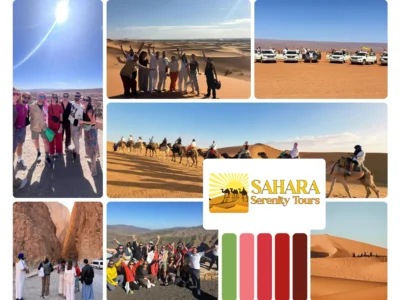
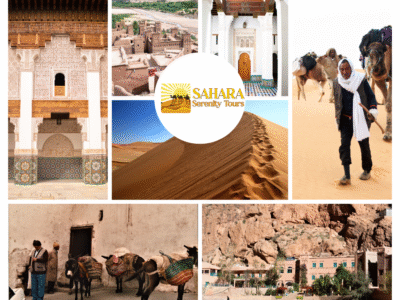
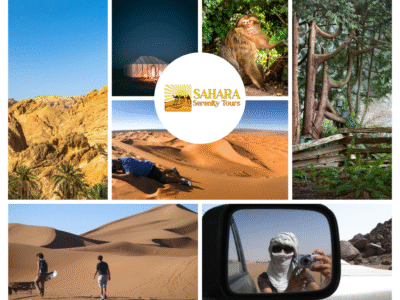
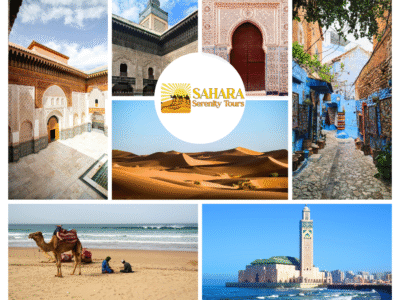
[…] departure city or trip duration, so if you’re starting from Casablanca or want to extend to a Best 5-Day Marrakech To Merzouga Road Trip Itinerary with an extra night in Merzouga, that’s a phone call, not a constraint. You arrive in Fes […]
[…] a lunghi trasferimenti in auto, per i viaggiatori senior o per le famiglie con bambini piccoli. Con 5 giorni si può inserire anche una visita a Tamegroute, un piccolo villaggio con una biblioteca storica che […]