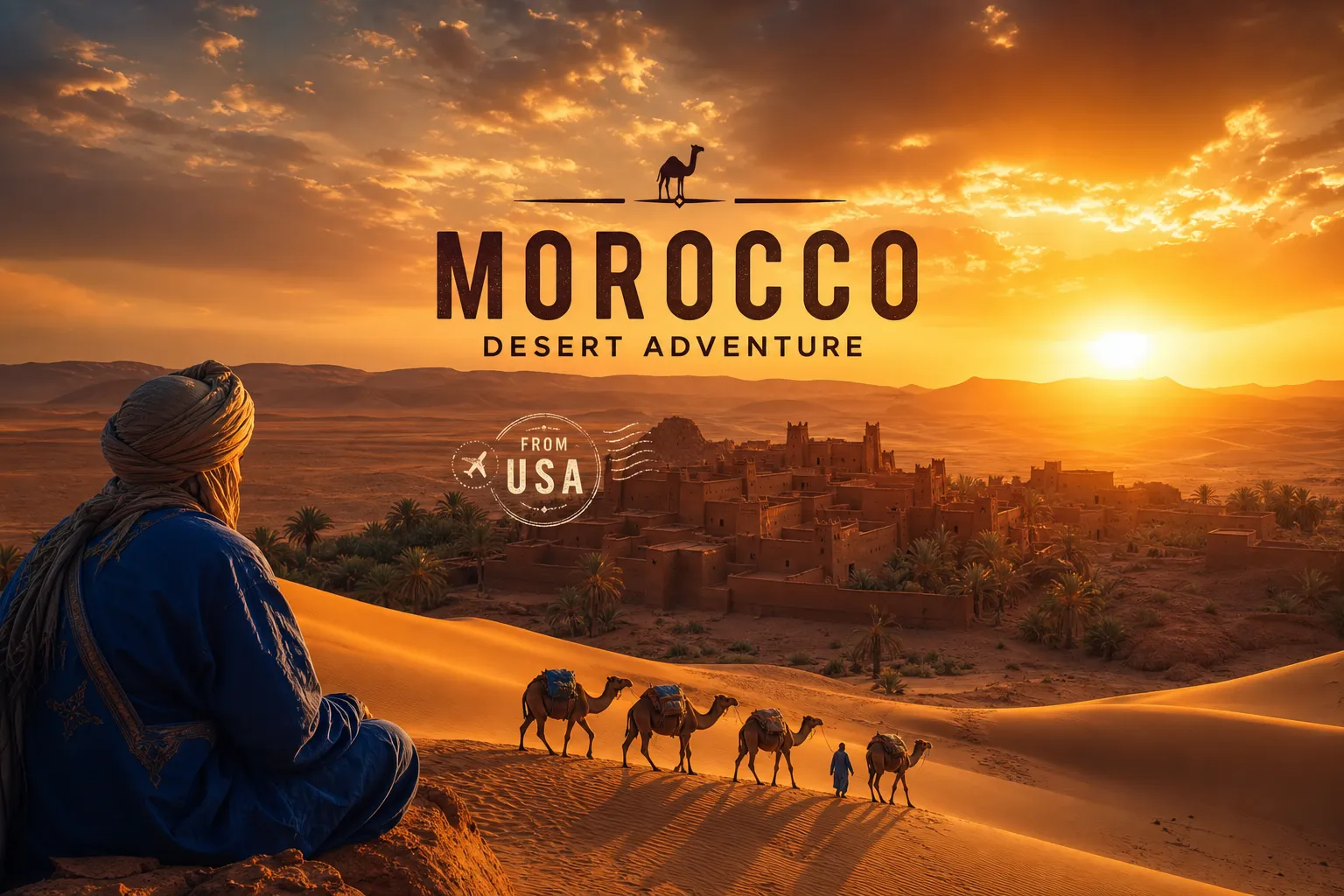
If you’re wondering how to plan a Morocco desert tour from the USA, the answer is simpler than you’d expect. Picture this: you’re on the back of a camel, the orange dunes of Erg Chebbi stacked around you like a painting, and the last of the sun is dropping behind the horizon. It’s quieter than anywhere you’ve ever been. That moment is real, and it’s closer than you think. Planning a Morocco desert trip from the US sounds like the kind of project that takes months of research and a pile of spreadsheets. It doesn’t. With the right information in the right order, the whole thing falls into place faster than most European trips.
This guide is written by the team at Sahara Serenity Tours, and we work with American travelers every week. We hear the same questions constantly, visa requirements, how to get from Marrakech to the dunes, what it costs in real dollars. We’ve put every answer in one place so you can stop searching and start planning. We’ll cover entry requirements first, since that’s the most time-sensitive piece, and finish with the booking steps you need to lock your trip in.
What U.S. citizens need to sort out before booking anything
Before you start comparing itineraries or browsing desert camps, here’s exactly what you need to know before you start comparing tours. The good news: this section is short, because the requirements for American travelers visiting Morocco are genuinely straightforward.
No visa required, but your passport still needs to be ready
U.S. citizens don’t need a visa to enter Morocco for tourism stays of up to 90 days, a policy confirmed by the U.S. Department of State. You show up, you get stamped in, and you’re good. That said, your passport needs to be valid for at least six months beyond your planned entry date, and you need at least one blank page for the entry stamp. Border officials may also ask for a return ticket, proof of accommodation (a tour confirmation letter works perfectly for this), or evidence that you can support yourself financially during your stay. None of these requirements are difficult to meet, but don’t show up with a passport expiring in two months or you’ll be turned around at the gate.
The best time of year for a Sahara desert trip from the US
Spring (March through May) and fall (September through November) are the clear sweet spots for desert travel. Temperatures are manageable during the day, and the conditions for camel trekking and sleeping outdoors are as close to ideal as the Sahara gets. If you’re choosing a single month, October is the strongest pick: pleasant daytime heat, cool evenings, and solid availability at most camps and operators. Summer is a different story. Midday temperatures in the Sahara can be punishing, well above 100°F in many areas, making outdoor activity genuinely miserable. Winter nights, on the other end, can be quite cold in the desert, so packing decisions matter if you’re traveling December through February. Neither season is impossible, but spring and fall give you the best version of the experience.
Time zones and what that means for booking
Morocco runs on UTC+1 year-round. That puts it five hours ahead of New York, six hours ahead of Chicago, and eight hours ahead of Los Angeles. In practical terms, a tour operator in Marrakech has already been at their desk for several hours by the time you wake up on the East Coast. Your best shot at a real-time reply is early morning on your end, and many reputable operators respond to email inquiries within 24 hours regardless of time zone. Note that Morocco has historically adjusted its clocks during Ramadan, so it’s worth confirming current time offsets if you’re booking during that period.
Flights from the U.S. to Morocco: routes, costs, and which airport to target
Getting to Morocco from the US is more straightforward than most people expect. From the East Coast, you have real options. From the West Coast and Midwest, you’ll connect through Europe, but the total journey is still very manageable.
U.S. departure cities and routing options
From New York (JFK or Newark), Royal Air Maroc operates direct service to Morocco and is worth checking first, as it often offers competitive fares when booked a few months out. Direct New York-to-Marrakech flights run approximately 7 hours 20 minutes, making it one of the more accessible long-haul routes for East Coast travelers. From Los Angeles, Chicago, or other major hubs, expect one connection through a European city, Madrid, Paris, and London are the most common routing options, adding three to five hours to your total journey time.
Round-trip fares from New York to Morocco start around $450 on the low end in 2026, with many travelers finding tickets in the $600 to $900 range outside of peak summer and holiday windows. Book three to five months ahead and use Google Flights’ flexible-date calendar to find the best prices across your travel window.
Marrakech vs. Casablanca: which arrival city makes sense
For a Sahara desert circuit, your arrival city determines the shape of your entire itinerary. The most popular format for American travelers is a one-way road trip from Marrakech to Fes, so flying into Marrakech Menara Airport and returning home from Fes-Saïss Airport eliminates backtracking and gives you a natural progression through the country. If you’re starting in Fes or building a longer itinerary that includes Casablanca or Rabat, flying into Casablanca makes sense. For most first-time visitors targeting the Sahara, Marrakech is the right entry point.
How to Plan a Morocco Desert Tour from the USA: Choosing the Right Itinerary
Americans typically work with one to two weeks of vacation time, which is exactly the right amount for a Morocco desert trip. The key is matching your available days to the right tour format so you’re not rushed and not wasting time doubling back on roads you’ve already covered.
The 2- to 3-day Sahara sprint (for short trips or add-ons)
If you’ve already booked time in Marrakech and want to add the dunes without restructuring your whole trip, a 2- to 3-day circuit is genuinely doable. You depart Marrakech, drive south through the High Atlas and the dramatic Tizi n’Tichka pass, reach Merzouga in the early evening for your camel trek into the dunes, spend a night in a desert camp, and return to Marrakech by the following evening. It’s an intensive circuit, but if the alternative is skipping the Sahara entirely, this format delivers the core experience: the dunes, the camel, the stars, and the silence.
The 4- to 5-day Marrakech-to-Fes circuit (the classic American favorite)
This is the most booked Sahara itinerary we run for US travelers, and it’s popular for good reason. You depart Marrakech, wind through the High Atlas mountains and stop at Ait Ben Haddou, continue through the Draa Valley, spend a night at a desert camp in Merzouga, and finish in Fes. This circuit covers the country’s most dramatic landscapes in a compact, efficient format without feeling rushed. It works beautifully as a standalone trip for travelers with a week in Morocco, and it pairs well with a few days in Marrakech or Fes on either end.
The 7- to 10-day full Morocco road trip
For travelers with more time, a week-plus itinerary unlocks the parts of Morocco that most visitors never reach. You can add Chefchaouen’s blue alleys, spend more than one night in the desert, visit Meknes and Volubilis, and absorb Fes’s medina at a slower pace. This format is especially strong for first-time visitors who want a complete picture of Morocco, not just a desert snapshot. It also gives you the flexibility to spend a second night under the Sahara stars, which changes the experience significantly compared to a single overnight.
What a Morocco desert tour actually costs in USD
Most American travelers want real numbers rather than vague ranges, so here’s a straightforward breakdown of what to expect at each price point and what that money actually buys you.
Group tour pricing vs. private tour pricing
Shared group tours run roughly $80 to $180 per person for a 3-day Sahara circuit. Private tours for the same itinerary range from $140 to $400 per person depending on vehicle type, accommodation quality, and the size of your group. Private 4-day itineraries with upgraded camps and more schedule flexibility start around $260 and can reach $500 or more for luxury options. The price gap between shared and private narrows quickly once you’re traveling as a couple or a group of four, since the per-person cost of a private vehicle drops as you split it.
What’s included and what you’ll pay on top
Most Sahara tours include overland transport in a minibus or 4×4, accommodation (a combination of guesthouse nights and your desert camp stay), breakfasts and dinners at each stop, and the camel trek into and out of the dunes. What typically isn’t covered: lunches, alcoholic drinks, optional activity upgrades like sandboarding or quad biking, tips for your guide and driver, and entry fees for sites like Ait Ben Haddou. Plan to budget extra each day to cover these expenses comfortably, the exact amount varies by traveler, but lunches, tips, and the odd activity add up quickly.
A realistic total Morocco trip budget for US travelers
Combining round-trip flights ($600 to $900), the guided desert tour ($150 to $400), and daily spending on lunches, souks, and extras ($30 to $60 per day), most American travelers budget $1,500 to $3,000 all-in for a 7- to 10-day Morocco trip. The Sahara portion itself is rarely the most expensive line item. Flights are usually the biggest single cost, and the guided tour delivers a lot of value per dollar compared to organizing the same logistics independently. Most reputable operators accept a credit card deposit online, with the balance paid before or at the start of the tour.
Getting from your arrival city to the Sahara desert
The dunes at Erg Chebbi near Merzouga are roughly 560 kilometers from Marrakech, and the overland journey is a significant part of the experience. Here’s how the logistics actually work.
Marrakech to Merzouga: overland transfer options
The drive from Marrakech to Merzouga takes approximately 8 to 9 hours by road. Good operators don’t treat this as a straight transfer. They build in stops: the Tizi n’Tichka mountain pass at nearly 7,500 feet, the ancient ksar of Ait Ben Haddou (a UNESCO World Heritage site), the Draa Valley with its palmeries and kasbahs, and the transition into the flat pre-Saharan landscape before the dunes come into view. Private transfers give you full control over timing and stops; shared minivans follow a fixed schedule and route with set pickup and drop-off times.
Fes to Merzouga: timing and what to expect
Fes to Merzouga by road takes 7 to 9 hours depending on the route and stop selection. Like the Marrakech leg, operators typically transform this into a scenic drive rather than a point-to-point transfer, incorporating the Ziz Valley, Erfoud’s fossil workshops, and the transition from fertile plains to desert. Travelers finishing a Marrakech-to-Fes circuit often find this leg feels shorter because the scenery is so different from anything they’ve seen in the first half of the trip.
Should you fly to Errachidia to save time?
If your schedule is tight, there’s a practical shortcut worth knowing. Royal Air Maroc operates flights from Casablanca to Errachidia Airport, and the flight itself takes about an hour. From Errachidia, a private transfer to Merzouga takes approximately one hour by road. With the domestic flight and transfer combined, most travelers are at the dunes in under six hours, cutting the journey nearly in half compared to the overland option. For travelers arriving with only 5 or 6 days to work with, the extra cost of the domestic flight is absolutely worth it.
Desert camp options: picking the right night under the stars
The camp experience often defines the whole trip. The options range from stripped-down bivouacs to tented suites with en-suite bathrooms, and the right choice depends entirely on your priorities and your budget.
Luxury glamping camps: the full Sahara experience with comfort
Luxury desert camps near Erg Chebbi feature air-conditioned tents with king-sized beds, en-suite bathrooms with running hot water, and traditional Moroccan decor that makes the interior feel like a riad dropped into the dunes. Some camps include swimming pools and private camp areas reserved for a single group. Pricing typically runs from $265 to $340 or more per person, including meals and standard activities. Camps like Merzouga Luxury Desert Camp and Erg Chebbi Desert Luxury Camp are highly rated on both Tripadvisor (out of 5) and Booking.com (out of 10), with guests consistently praising en-suite bathrooms, stargazing conditions, and attentive service. These camps are the right call for honeymooners, couples, and any traveler who wants the full magic of the Sahara without sacrificing sleep quality.
Standard mid-range camps: the sweet spot for most travelers
Mid-range camps offer platform tents, hot showers, and fresh-cooked Berber meals at a fraction of the luxury price. They’re the most common camp type included in 3- to 4-day Sahara tours and deliver a genuine desert experience: the same stars, the same fire pit, the same early morning silence over the dunes. Travelers on these tours consistently report that the camp experience exceeded their expectations, even without the premium amenities. For most first-time visitors, a mid-range camp paired with a well-organized tour is the best value combination available.
Budget bivouacs and the choice between Erg Chebbi and Erg Chigaga
Basic bivouacs are stripped down to sleeping bags, communal facilities, no air conditioning, and a fire. They suit adventure travelers on tighter budgets who want the wilderness experience over comfort, and they’re most common in the more remote areas of the Sahara. On the question of which dunes to choose: Erg Chebbi near Merzouga is more accessible from both Marrakech and Fes and is the default starting point for most desert circuits. Erg Chigaga is more remote, requires 4×4 access and a longer drive, and pairs better with longer 7- to 10-day itineraries. For first-time visitors with 4 to 5 days, Erg Chebbi is the right call. It delivers everything the Sahara promises without the additional logistical complexity.
What to look for in a Morocco tour operator as a US traveler
Not every operator is set up to serve American travelers well. Language barriers, payment issues, and lack of transparency on what’s included can turn a great itinerary into a frustrating experience. These three signals separate operators who are built for US travelers from those who aren’t.
English-speaking guides and US-friendly communication
Your guide is the single biggest variable in your Morocco experience. A guide who speaks fluent English, knows Berber culture deeply, and is comfortable answering questions from Western travelers makes an enormous difference in how much you actually absorb and enjoy the trip. Beyond the guide, look for operators who communicate clearly by email or WhatsApp during US-compatible hours and respond to pre-booking questions promptly. If an operator takes five days to answer a basic inquiry before you’ve booked, that’s a strong signal about how they’ll communicate once you’re on the road.
Transparent USD pricing and no hidden costs
Some operators quote in euros or Moroccan dirhams and bury extra charges in the fine print of their terms. US travelers should look for operators who clearly list what’s included and excluded in straightforward terms, ideally with USD-comparable pricing, and who use standard international payment methods. Wire transfers to unfamiliar accounts are a red flag. Credit card deposits through a secure booking system are the standard for reputable operators.
Why Sahara Serenity Tours is built for American travelers
At Sahara Serenity Tours, we keep shared group tours small, no giant bus crowds, just a tight group of fellow travelers on the same itinerary. Our team handles logistics end-to-end: airport pickups, guesthouse bookings, desert camp reservations, and transfer timing across the entire route, so there are no planning gaps for you to manage across a 5- to 8-hour time difference. All itineraries are available as fully private options for couples, families, and groups who want their own schedule and vehicle. Our guides are local specialists with deep roots in the region and years of Sahara experience, not agency employees reading from a script. For American travelers who want genuine local knowledge, small-group intimacy, and zero pre-trip stress, we’d love to be the operator you book directly.
How to plan and book a Morocco desert tour from the USA: the actual steps
Step 1: Choose your itinerary and lock in your dates
Start with two clear answers: how many days do you have available, and do you want a shared group experience or a private tour? From there, narrow your shortlist to two or three operators who offer your specific itinerary format. Confirm that your travel dates align with the operator’s departure schedule, especially for shared tours, which typically run on fixed days rather than on-demand. Getting this sorted first prevents the frustration of falling in love with an itinerary that doesn’t run on your dates.
Step 2: Contact the operator, ask the right questions, and get written confirmation
Before paying anything, confirm the following in writing: exactly what’s included in the price, which specific desert camp you’ll be staying in, what the guide assignment process looks like, and what the cancellation and refund policy covers. For US travelers, this conversation works best by email or WhatsApp, and many reputable operators respond within 24 hours. If you’re not getting clear answers to direct questions at this stage, that’s important information about how the rest of the trip will go.
Step 3: Pay the deposit, save your confirmation, and prepare your documents
Most operators require a deposit to hold your spot, with the balance due before or at the start of the tour. Pay by credit card through the operator’s secure booking system whenever possible. Save both a digital and a printed copy of your booking confirmation. That document serves a dual purpose: it’s your record of what you’ve paid for, and it doubles as proof of accommodation if Moroccan customs officials ask for it at entry. Keep your guide’s WhatsApp number saved locally on your phone before you land, because connectivity in the desert is limited and knowing you have a direct line to your team is genuinely reassuring.
What to pack and how to prepare for the Sahara
Desert packing essentials that most travelers forget
The Sahara operates in extremes: hot and dry during the day, genuinely cold after dark. Pack breathable, lightweight layers for daytime and a fleece or lightweight down jacket for evenings at camp, where temperatures can drop sharply in cooler months. Closed shoes or low hiking boots are significantly better than sandals on the dunes. A headscarf or buff protects your face during windy conditions, which can kick up without warning. High-SPF sunscreen and quality sunglasses aren’t optional. And bring a reusable water bottle you can refill constantly: the dry desert air is deceptively dehydrating, and keeping up with your water intake throughout the desert leg of your trip is the single most important health precaution you can take.
Health, safety, and practical on-the-ground tips
Morocco is considered a safe destination for American travelers. Check the current U.S. Department of State travel advisory for Morocco before your trip, as conditions and ratings can change. The common-sense precautions that apply anywhere apply here: stay aware of your surroundings in busy medinas, don’t flash expensive gear in crowded souks, and follow your guide’s lead in less familiar areas. Carry cash in Moroccan dirhams for tips, market purchases, and any small vendors you encounter along the route, since card acceptance is unreliable outside of cities and larger hotels. Tips for your guide and driver are a meaningful part of their income, and a standard guideline for a multi-day tour is roughly $10 to $15 per person per day split between the guide and driver. Your tour operator can give you specific guidance when you confirm your booking.
You’re closer to the dunes than you think
Here’s the bottom line on how to plan a Morocco desert tour from the USA: US citizens don’t need a visa, flights from major East Coast hubs are direct and reasonably priced, and the full desert circuit is achievable in 7 to 10 days. You can be riding a camel into Erg Chebbi within 24 hours of landing in Marrakech, and you can do it without months of planning or a complicated logistics operation. Planning a Morocco desert tour from the USA is one of the most rewarding things an American traveler can tackle, and far less complicated than it looks from the outside.
If the itinerary is calling you, the team at Sahara Serenity Tours is ready to help. We can answer questions, build a custom quote around your specific schedule and budget, or walk you through which camp and itinerary format fits your travel style best. Reach out by email or WhatsApp, and we’ll respond before you’ve finished your morning coffee. The Sahara has a way of getting under your skin. The best time to start planning is right now.
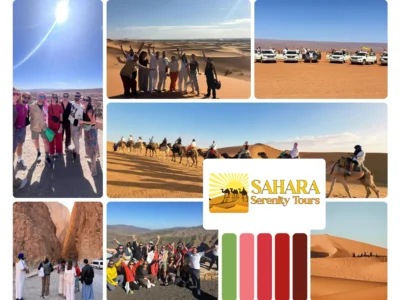
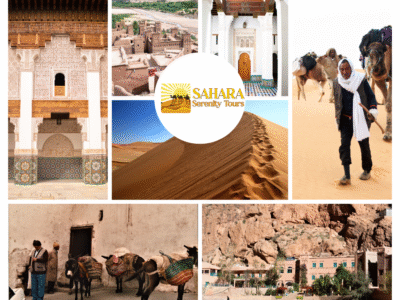
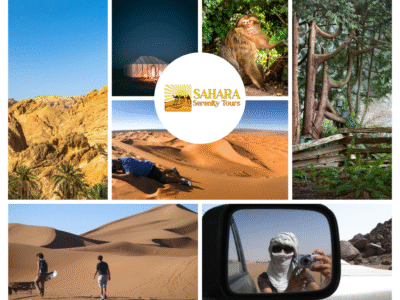
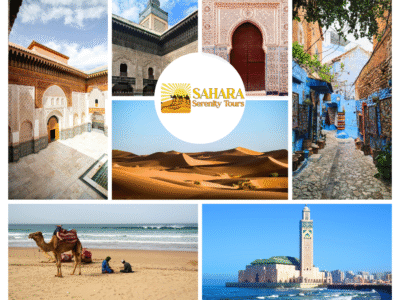
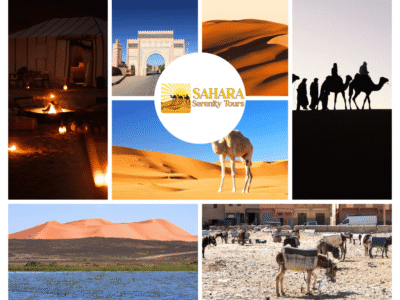
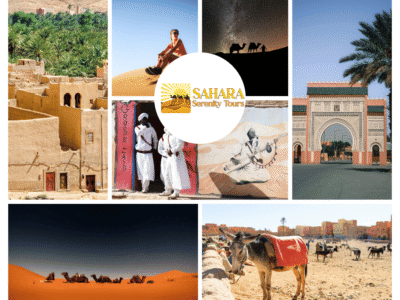
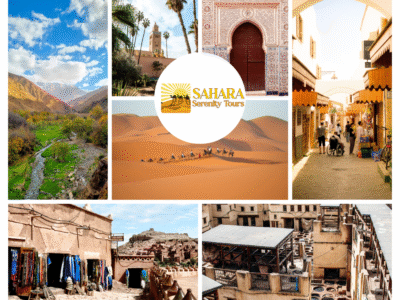
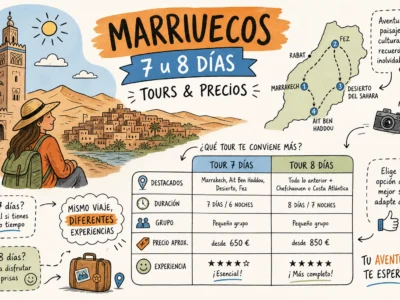
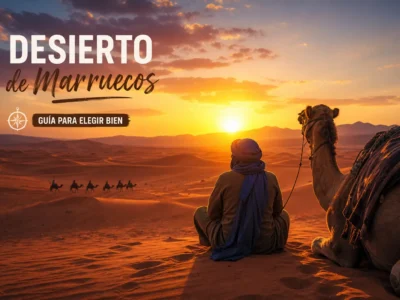
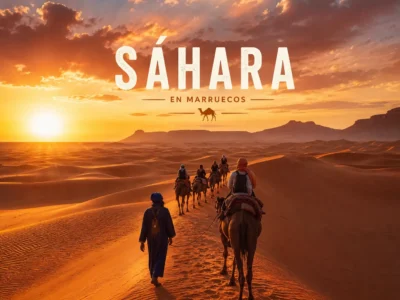
[…] For Sahara-focused tours, camel treks and desert camp stays are frequently included in the package price rather than sold as add-ons, this is standard practice among reputable operators, though it’s always worth confirming line by line before you book. Internal transport is often the most underrated inclusion: Morocco’s road distances are significant, and having a professional driver handle the mountain passes and desert tracks makes the whole journey considerably smoother. For a step-by-step plan on organizing a Sahara-focused itinerary from the United States, see our Morocco desert tour from the US. […]
[…] in a luxury desert camp and a camel trek at sunrise, is the format Sahara Serenity Tours’ bestselling desert tour follows. It fits a US vacation window cleanly and covers the country’s most iconic […]
[…] The desert segment is consistently what American travelers call out in reviews as the highlight of their entire trip. The camel trek into the Erg Chebbi dunes at sunset typically runs around 30 to 60 minutes depending on the starting point and route, and when you arrive at camp, the silence is almost startling after days in the medinas. Berber-style camps include communal meals, live music around the fire, and the kind of stargazing that makes you rethink the concept of darkness. Standard camps and luxury camps are meaningfully different: luxury options offer private tents with ensuite facilities, higher-quality meals, and more personalized service. If the Sahara is your primary reason for booking this trip, the upgrade is worth considering. For a step-by-step look at planning a desert-focused itinerary from the U.S., see Sahara Serenity’s Morocco Desert Tour From The US: A Step-by-Step Guide. […]