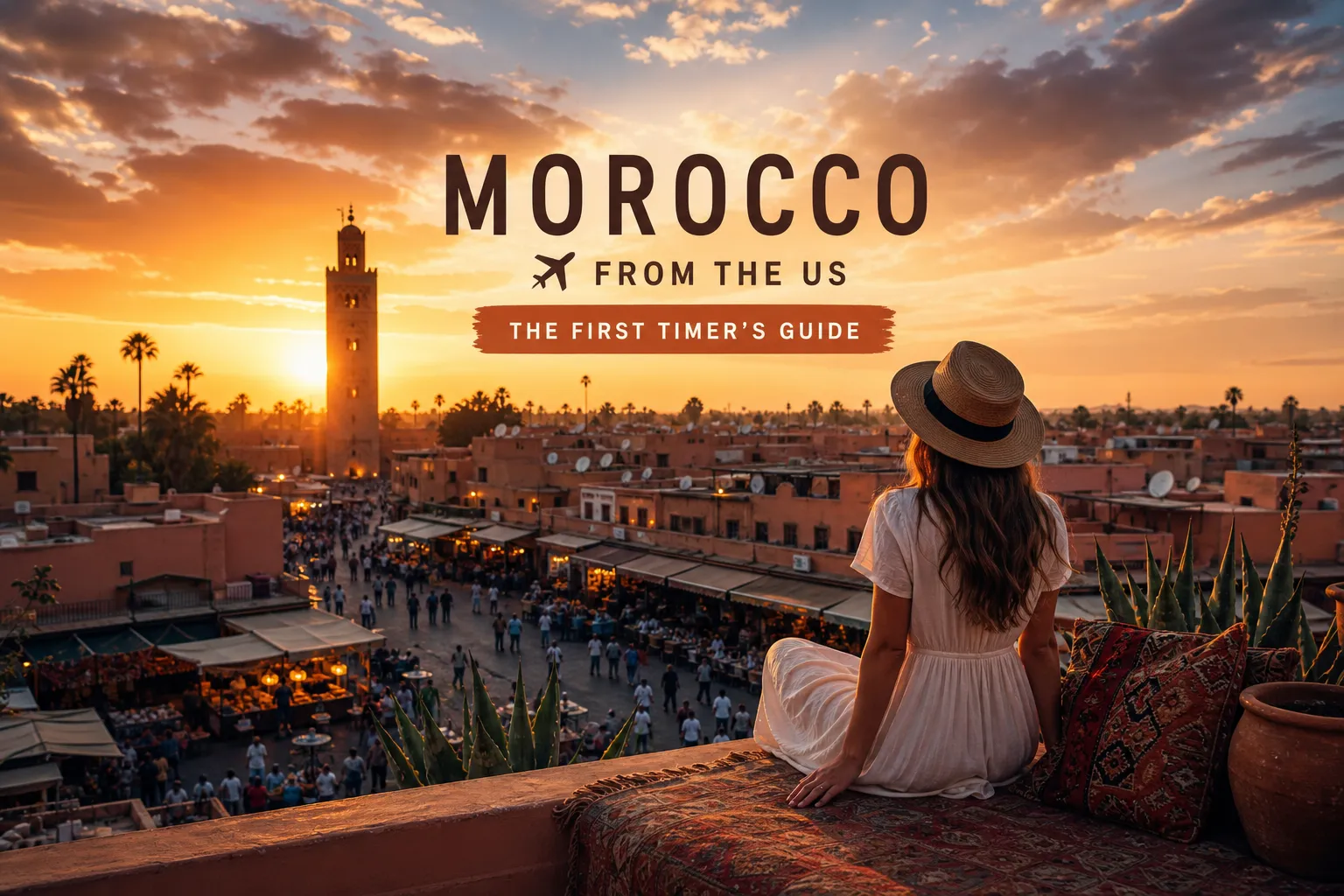
How do I plan a trip to Morocco from the US? It’s the question that comes up the moment you fall in love with those photos: golden dunes rolling to the horizon, painted blue alleys, ancient medinas alive with color and sound. And then the questions start stacking up. Do I need a visa? How do I even get there? Where do I fly in? How much time do I need? It can feel like the logistics are as vast as the Sahara itself.
Here’s the truth: Morocco is far more accessible than it appears from across the Atlantic. With the right information and the right local partner, this trip goes from daunting to genuinely doable. That’s exactly the kind of expertise Sahara Serenity Tours provides, eliminating the guesswork so you can focus on experiencing one of the world’s most remarkable destinations. This guide covers every step of planning your Morocco trip from the US: flights, entry requirements, the best itinerary lengths, transport, budgeting, and cultural prep before you land.
Why Morocco deserves a spot on every American traveler’s list
There’s a specific kind of traveler who has already done Paris and Rome and Barcelona and is now asking: “What’s next?” Morocco is that next trip. It delivers something genuinely different from anything in the Western travel circuit: the sensory overload of a Fes medina, the silence of Erg Chebbi at dusk, a mint tea ceremony in a riad courtyard while the call to prayer drifts over the rooftops. This is a country that stays with you.
What makes Morocco different from a European vacation
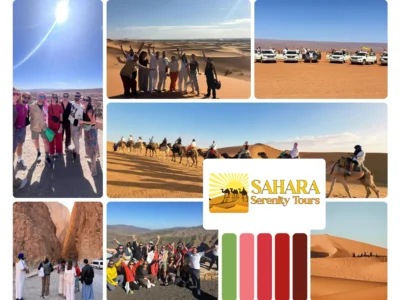
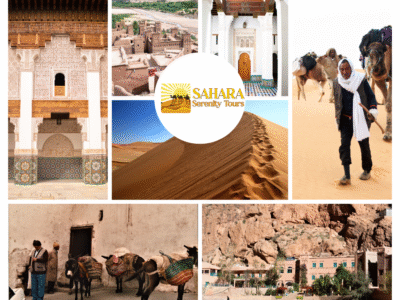
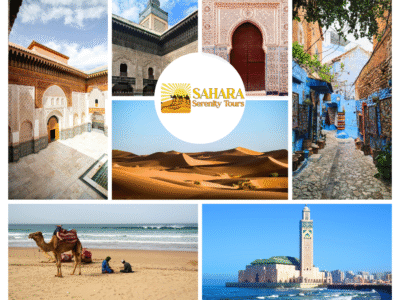
European city breaks are wonderful, but they’re also familiar. Morocco offers ancient medinas where the streets haven’t changed in centuries, Berber villages deep in the High Atlas Mountains, and the Sahara Desert sitting right there at the edge of the country, reachable by road in a few days. What American travelers consistently report is exactly this feeling: that you’ve stepped into somewhere truly unlike home, not a place designed entirely for tourism.
Why American travelers are going now
Morocco is having a moment with American travelers, and for good reason. The Moroccan dirham typically offers solid value for USD holders, though exchange rates fluctuate, so it’s worth checking a current rate before you go. English is commonly encountered in major tourist areas, and the country has a well-developed tourism infrastructure that makes a first visit manageable without sacrificing the off-the-beaten-path feeling. This isn’t budget travel in the backpacker sense. It’s high-value travel: you get a lot for your money, and the experiences are the kind that define a decade of memories.
How to plan a trip to Morocco from the US: flights and when to go
The first logistics question most American travelers face is the flight itself. The good news is that getting to Morocco from the US is straightforward, especially from the East Coast, and your choices are better than most Americans expect.
Nonstop and connecting routes from New York, DC, and LA
The cleanest option for East Coast travelers is the Royal Air Maroc nonstop from JFK to Casablanca (CMN), which clocks in at about 7 hours. Roundtrip fares on this route can dip as low as the mid-$400s during off-peak periods, though most travelers should budget $600 to $900 depending on the booking window and season. From Washington, DC and Los Angeles, you’ll be connecting through a European hub: Lisbon, Madrid, and Paris are the most common and efficient options, adding a few hours to your journey. Roundtrip prices from DC and LAX on connecting routes generally land in the $800 to $1,200 range, though fares vary widely by airline, season, and how far out you book.
Flying into Casablanca vs. Marrakech: the better entry point
Casablanca’s Mohammed V International Airport (CMN) is Morocco’s main international hub and handles the most international traffic, including that JFK nonstop. If your itinerary starts in the south, Marrakech’s Menara Airport is a solid entry point but currently requires a European connection from the US. The simplest rule: if you’re starting your trip in Marrakech or heading straight to the desert, fly into Marrakech. If you’re doing a north-to-south loop or want maximum flight options, Casablanca is your hub.
When to book and how to get the best price
Booking 3 to 5 months out is often the sweet spot for balancing price and seat availability, though optimal windows vary by route and season. Use Google Flights to set fare alerts and check flexible date windows around shoulder season, particularly April through May and October through November. Avoid the Christmas holiday window if price is a priority, as that period drives significant fare increases across all Morocco routes.
Visa and entry: what US citizens need at the border
This section tends to worry first-time Morocco visitors more than it should. Many Americans assume that North Africa requires visas, embassy appointments, and lengthy paperwork. For Morocco, that assumption is completely wrong.
For a full breakdown tailored to American visitors, see Sahara Serenity Tours’ Morocco Travel Guide for Americans 2026.
The 90-day visa-free rule, explained simply
US passport holders can enter Morocco without a visa for stays of up to 90 days. No advance application, no embassy visit, no online form to fill out before you fly. You land, you walk to the immigration desk, and an officer stamps your passport with your entry date. That’s the entire process. For a trip of 7 to 14 days, the range most American travelers plan, you’re well within this window.
Passport validity, blank pages, and what customs may ask
Your passport needs to be valid for at least six months from your entry date, and you’ll need at least one blank page for the entry stamp. Immigration officials may ask to see proof of accommodation or a return flight, so having your hotel booking confirmation and tour details accessible on your phone is smart practice. Carry a copy of your US passport as a backup. Beyond these basics, entry is smooth and well-practiced for American tourists.
Choosing when to go: Morocco’s seasons and what they mean for your trip
Morocco is a year-round destination, but the experience varies significantly by season. Matching your vacation window to the right time of year makes a real difference, particularly if you’re heading into the desert.
Spring and fall: the best windows for first-time visitors
March through May and September through November are the sweet spots for most travelers, especially first-timers. Temperatures are comfortable across all regions, including the Sahara where nights can still get surprisingly cool. Spring brings the Rose Festival in the Dadès Valley, the Gnaoua and World Music Festival in Essaouira, and the Fez Festival of World Sacred Music, all of which add a remarkable cultural layer to any itinerary. Fall offers the MOGA Festival in Essaouira and Tanjazz in Tangier, with calmer post-summer crowds and moderate prices.
Summer heat, winter savings, and the tradeoffs
Midsummer in the Sahara is genuinely extreme, with midday temperatures that make outdoor activity uncomfortable for most travelers. That said, Morocco’s Atlantic coast stays pleasant through summer, and cities like Essaouira are reliably breezy even in July and August. Winter is the most affordable period outside of the Christmas holiday window, with lighter crowds and lower accommodation rates. A winter desert trip under clear skies offers some of the best stargazing of the year, and Sahara Serenity Tours operates desert camps year-round for exactly that reason, confirm current seasonal availability when you book.
Festivals worth building your itinerary around
Morocco’s festival calendar is worth consulting before you set your dates. The Rose Festival in Kelaat M’Gouna (typically May) is one of the most atmospheric events in the country, but accommodations in that small valley book up fast. The Marrakech International Film Festival draws significant international crowds in late fall. If your trip overlaps with Eid or Ramadan, don’t let that deter you. Ramadan in Morocco is a unique cultural experience with extraordinary late-night energy in the medinas, though travelers should be aware that some restaurants operate on reduced hours during the day.
How to structure your first Morocco itinerary from the United States
Many American travelers work with a vacation window of 7 to 12 days. Morocco rewards structured planning because the country is larger than it looks on a map, and drive times between key destinations are significant. Here’s how to think about three realistic trip lengths.
5 days: the focused sprint
A 5-day Morocco trip works best when you resist the urge to pack in too much. The most focused route: arrive in Casablanca or Marrakech, spend a day or two in the medina, cut south through the Atlas Mountains to a single Sahara night at Erg Chebbi, then return. If you fly into Casablanca and out of Marrakech (or vice versa), you eliminate backtracking and add real efficiency. Five days is enough to feel Morocco, but you’ll leave wanting more, which is actually the right outcome for a first trip.
7 days: the format most first-timers love
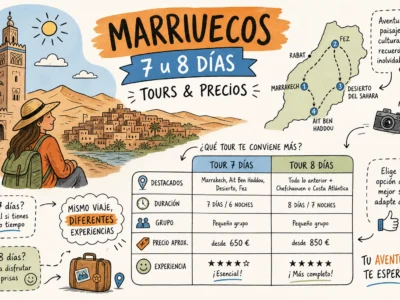
Seven days is the sweet spot, and the classic Marrakech-to-Fes route with Sahara stops in the middle is the most complete first Morocco experience available. The key travel times to plan around: Marrakech to Ouarzazate is about 2.5 hours, Ouarzazate to Merzouga (the gateway to Erg Chebbi) is 6 to 7 hours, and Merzouga to Fes runs another 7 hours through stunning desert and mountain terrain. This route, with a night in a luxury desert camp and a camel trek at sunrise, is the format Sahara Serenity Tours’ bestselling desert tour follows. It fits a US vacation window cleanly and covers the country’s most iconic experiences without feeling rushed.
10 days: when you can genuinely see it all
Ten days lets you add the destinations most travelers wish they’d included: Chefchaouen in the Rif Mountains (3.5 hours from Fes), Essaouira on the Atlantic coast (2.5 hours from Marrakech), and a proper day in Meknes alongside the other imperial cities. A 10-day Morocco itinerary starting from either Casablanca or Marrakech, hitting the Sahara in the middle and Fes or Chefchaouen in the north, covers all the major highlights without the frantic pace that ruins a trip. This is also the format where private guiding pays dividends: you need someone who knows the roads, the timing, and the best stops along the way.
Getting around Morocco once you land
Internal transport in Morocco is more complex than most American travelers expect. Understanding your options before you land saves real money and prevents the logistical scrambles that tend to derail self-planned trips.
Trains and buses: reliable for major cities
Morocco’s ONCF train network connects Casablanca, Rabat, Fes, Marrakech, and Tangier with comfortable, reliable service. A train ticket between major cities runs roughly $20 USD. CTM and Supratours buses fill the gaps where trains don’t reach: Chefchaouen, Essaouira, and routes into the desert south are all served by bus for well under $10. One practical note: booking online with an international card can be frustrating on the ONCF platform. Buying tickets at the station is often the simpler approach.
Grand taxis, private transfers, and the desert problem
Shared grand taxis handle regional hops between smaller towns efficiently, but they require knowing the system: you negotiate for a single seat (not the whole taxi), you leave when the taxi is full, and the routes aren’t always posted in English. For the Sahara, the public transport reality is simple: no bus drops you at an Erg Chebbi desert camp. Getting from a town like Merzouga to an actual camp requires a private transfer or a tour package that includes it. This is where self-planned trips most commonly stall or overspend.
Why transport logistics are harder to DIY than they look
Stringing together trains, buses, taxis, and desert transfers across a 7-day itinerary means coordinating multiple bookings in a mix of Arabic, French, and English, often with limited online booking options and no central platform. For a first-time visitor, this complexity is the strongest argument for booking with a guided operator that includes private transport. Sahara Serenity Tours handles all ground transport as part of every itinerary, which means your driver knows the road, your camp is confirmed, and your day doesn’t hinge on finding a working ATM before a shared taxi fills up.
Budgeting your Morocco trip in USD
Morocco is excellent value for American travelers, and understanding the realistic cost breakdown helps you plan without surprises. Here’s what to expect across the major spending categories.
A realistic cost breakdown: flights, accommodation, and tours
Flights from the US vary meaningfully by departure city and season. JFK travelers have access to the Royal Air Maroc nonstop to Casablanca, where fares can be competitive; travelers from DC or LAX connecting through Europe should generally budget in the $800 to $1,200 range, though deals exist outside peak periods. Mid-range riad accommodation in Marrakech runs approximately $100 to $145 per night, while luxury riads and desert camps range from $180 to $220 or more. A guided tour package covering private transport, Sahara camp stays, and professional guiding across 7 days often offers better value once you factor in the convenience and included services, particularly for first-time visitors who’d otherwise spend hours coordinating transfers independently.
Daily spending in the medina, desert, and coast
On the ground, Morocco is remarkably affordable. A meal at a local restaurant runs $5 to $15 per person, and street food in the medina is even less. Daily spending on meals, local transport, and activities typically lands between $30 and $50 per person, with a comfortable average around $40. Morocco rewards the mid-range traveler more than almost any other destination: the quality of a $120 riad in Fes or a desert camp dinner under the stars simply cannot be replicated in Europe for the same money. Budget for shopping in the souks separately, because that number is entirely up to your willpower.
Cultural prep and practical tips before you fly
Morocco is safe, welcoming, and far less intimidating to navigate than first-timers expect. A small amount of cultural awareness before you arrive makes the experience better for everyone and eliminates the awkward moments that come from simply not knowing. For concrete recommendations on what to pack and how to navigate medinas, read our Morocco Travel Tips for First-Timers 2026/2027.
Dress codes, customs, and showing respect in a Muslim country
Covering shoulders and knees in medinas and at religious sites is standard practice. Loose, lightweight clothing works well in both cultural and climate terms. In Sahara desert camps and coastal cities like Essaouira, dress codes are more relaxed. Non-Muslims are not permitted to enter many mosques, so don’t assume entry is allowed; the exterior architecture is usually visible and equally impressive. Use your right hand for eating and accepting food, ask before photographing people (particularly women), and accept tea when it’s offered. Moroccan hospitality is genuine, and a little reciprocal warmth goes a long way.
Currency, connectivity, and staying safe
The Moroccan dirham (MAD) is the local currency and cannot be purchased in the US before departure. Exchange at the airport on arrival or use ATMs in major cities, both of which are reliable. Buying a local SIM card on arrival is the easiest and cheapest connectivity solution, and it works immediately. Most American travelers are surprised by how safe and navigable Morocco feels on the ground. Standard urban precautions apply in busy medinas: stay aware of your surroundings, keep your bag in front of you in crowded souks, and use a guide in the deeper alleys of Fes if you’re not comfortable navigating solo. The vast majority of Moroccan interactions you’ll have are hospitable, curious, and warm.
Why booking with a specialist operator transforms the entire experience
By now you have a clear picture of what planning a Morocco trip from the US actually involves: flights to research, entry requirements to confirm, transport modes to coordinate across multiple regions, itinerary timing to get right, and cultural nuances to navigate on arrival. Each layer is manageable on its own. Together, for a first visit with limited vacation days, they add up to a significant planning burden. That’s exactly where a specialist operator changes the equation.
What Sahara Serenity Tours handles from day one
From the moment you book with Sahara Serenity Tours, every ground logistics decision is handled. All transport between cities is arranged, accommodations are confirmed, your desert camp spot is reserved at Erg Chebbi, and a professional English-speaking local guide is assigned to your group. Whether you’re on a 3-day Sahara sprint or a 10-day full-country journey, the itinerary is fully structured before you even board your flight. You arrive in Marrakech ready to experience Morocco, not manage it.
Small-group intimacy vs. the large bus experience
Sahara Serenity Tours caps shared groups at 10 travelers, confirm current group-size policy at booking, and that number is deliberate. A group of 10 feels personal: you know everyone’s name by the first campfire, you can ask your guide to linger at a stop that moves you, and the pace of the journey adapts to the people on it. For American families, couples on a honeymoon, or a friend group doing a bucket-list trip together, this format delivers a fundamentally different experience than a large bus tour where you’re one of forty. The intimacy of a small-group format is what most travelers talk about long after they’re back.
From first inquiry to the last camel ride
Sahara Serenity Tours is staffed by passionate Moroccan locals, not a generic travel agency reselling third-party tours. Their team has first-hand knowledge of the roads, the seasons, the best camp spots, and the cultural moments worth slowing down for. Itineraries are designed specifically for American vacation windows (7 to 14 days), communication is in English throughout, and pricing is transparent. Every detail is handled end-to-end: the only thing left for you to figure out is what to pack.
Your Morocco trip starts with one decision
If you’ve been asking yourself “how do I plan a trip to Morocco from the US,” here’s the short answer: it’s easier than it looks, and far more rewarding than most Americans expect before they go. You don’t need a visa. The flights are manageable. The country fits neatly into a 7 to 10-day vacation window. The cost is excellent for what you get. The experiences, from a sunrise camel trek at Erg Chebbi to mint tea in a Fes riad courtyard, are the kind that earn a permanent place in your travel stories.
The planning process has a natural order: decide your travel window, pick your itinerary length from the options above, and figure out your entry city based on your flight options. Once you have those three things, the rest falls into place. If you want to skip the coordination entirely and put your Morocco trip planner work in the hands of people who know this country deeply, reach out to Sahara Serenity Tours. Browse their pre-built itineraries, ask about customizing a private tour, or book one of their small-group desert tours departing from Marrakech or Fes.
The Sahara is waiting. The only hard part is booking the flight.
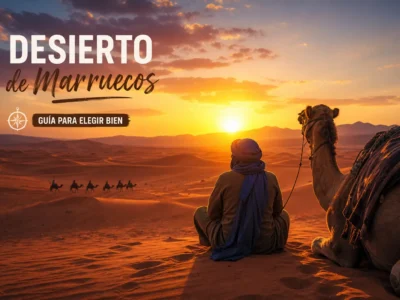
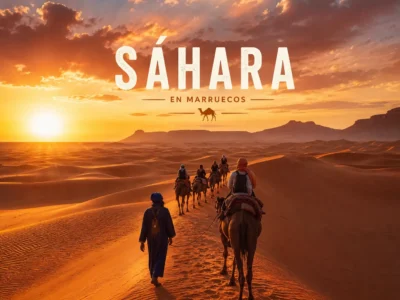
[…] Si necesitás pasos prácticos sobre cómo organizar estas compras por tramos y ejemplos claros de rutas y tiempos de conexión, consultá nuestra guía para planear un viaje a Marruecos desde EE. UU. […]