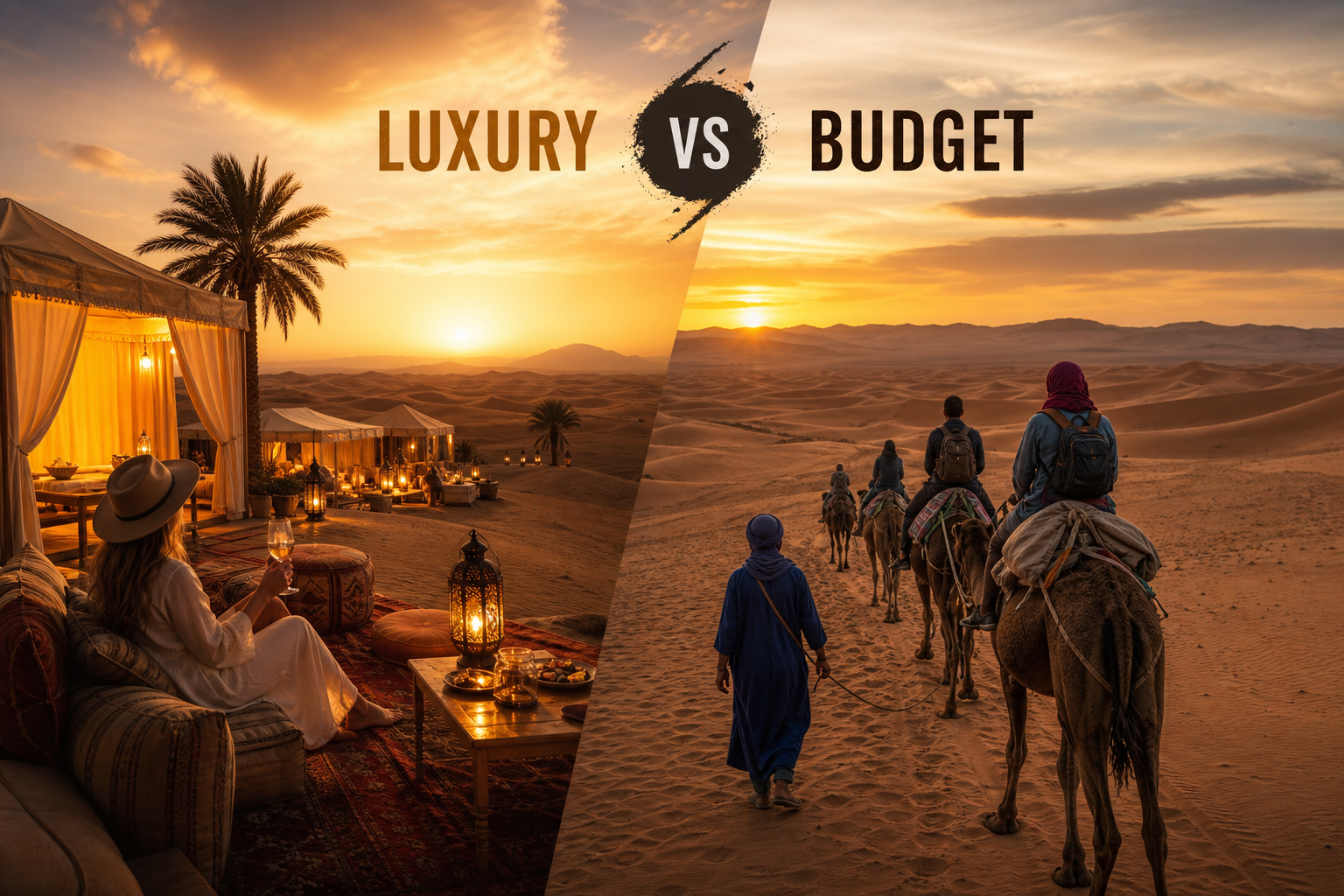
Two travelers book what looks like the same Sahara desert tour. One pays $90. The other pays $500. They both sleep under the same stars, walk the same dunes, and watch the same sunrise over Erg Chebbi. Almost everything else about their experience is different. So what is the difference between a luxury and budget Sahara desert tour in Morocco? It comes down to five things: where you sleep, how you get there, who guides you, what you eat, and what’s buried in the fine print.
Neither option is wrong. That’s worth saying clearly. A budget tour can be a genuine, memorable adventure. A luxury tour can disappoint if you don’t know what you’re actually paying for. Once you understand those five factors, the decision becomes straightforward.
At Sahara Serenity Tours, we’re a Berber family-run operation based in Morocco, and this comparison is built on what actually happens on the ground, not on brochure language. Here’s what you need to know before you book.
What is the difference between luxury and budget Sahara desert tours in Morocco?
A 2, 3 day Sahara desert tour from Marrakech in 2026 generally falls into two clear tiers. Budget tours run roughly $70, $180 per person. They include shared transport, a basic camp, simple meals, and larger groups. Luxury tours for the same duration run roughly $400, $700 per person. That price gets you a private 4×4, a premium glamping camp, full-board meals, and a smaller or fully private group experience.
If you’re considering Erg Chigaga instead of Erg Chebbi (Merzouga), expect to pay more at both tiers. Erg Chigaga sits farther from Marrakech, requires more off-road driving, and involves longer transfer logistics. The journey alone takes 12 or more hours compared to the 9, 10 hours to Merzouga. Fewer operators run those routes, which reduces competition and raises costs across the board.
The price gap isn’t arbitrary. It reflects the infrastructure built around your experience: vehicle quality, staff-to-guest ratios, camp investment, and food sourcing. Budget operators move volume with fewer resources. Luxury operators limit group sizes and invest heavily in the setup. A $90 tour can be a perfectly good experience if your expectations are calibrated correctly. A $500 tour can still disappoint if you don’t ask the right questions before booking.
Where you sleep: tents, beds, and bathrooms
Budget camp inclusions and what to expect
Accommodation is where post-trip reviews diverge most sharply between the two tiers. At the budget end, you’re typically sleeping in basic canvas or Berber-style tents with thin mattresses. Bathrooms are shared and located outside the tent. Hot water is unreliable. Electricity inside the tent is usually absent, and private space to decompress after a long travel day simply doesn’t exist. The camp can still feel atmospheric, especially if you arrive open-minded, but comfort is limited.
The most common complaint from budget travelers isn’t the tent itself. It’s the gap between the photos they saw online and what they found when they arrived. Photos tend to be taken at golden hour with good lighting. The reality is often smaller, dustier, and more crowded than expected. If you’re comparing operators, it’s worth reading traveller reviews for similar private tours on TripAdvisor to spot consistent patterns in feedback.
Sahara desert glamping: what luxury includes
At the luxury end, Sahara desert glamping means something specific: a private ensuite tent with a real bed, quality linens, rugs, and low lighting. Some higher-end camps offer heating for cold desert nights or cooling for warm evenings, check the camp’s listed amenities when you book. Your toilet and shower are private, inside or directly attached to your tent, with hot water powered by solar panels or a generator. Many premium camps are deliberately positioned deeper into the dunes, away from the row-tent budget setups clustered near the road. You wake up with nothing between you and the desert. That seclusion is a real part of what you’re paying for. You can compare specific properties such as the Desert Luxury Camp listing on Booking.com to confirm amenities and layout before you commit.
Transport, group size, and who’s actually guiding you
Budget tours typically use shared minivans or 4x4s carrying 8, 15 travelers. You stop when the group stops, eat where the group eats, and follow the group’s schedule regardless of your preferences. On a 9-hour drive from Marrakech to Merzouga, that matters more than it sounds. Cramped seats, unreliable air conditioning, and exhausted travelers arriving at the desert already worn out are among the top reported complaints from budget trips.
Guides on shared tours are often drivers first and cultural guides second. Travelers frequently cite language barriers and shallow commentary as frustrations on shared tours. Places like the Draa Valley, Ait Ben Haddou, and the Dades Gorge are genuinely extraordinary landscapes. On a rushed shared tour, they become blur stops rather than experiences. For practical route options and travel-time estimates between Marrakesh and Merzouga, consult the Rome2rio route planner to help set realistic transfer expectations.
With a private Sahara tour, you travel in your own 4×4 with your own guide, and the pace is yours to set. The quality of your guide changes the entire trip. Local Berber guides with deep knowledge of the landscape, history, and culture specific to the regions you pass through can turn a scenic drive into something genuinely memorable, the kind of detail you’re still recounting to people two years later. With a private departure, itinerary flexibility is real, not theoretical. You can linger at a village, take the longer route through a gorge, or time the camel trek precisely around sunset.
Meals, activities, and what’s not in the price
Budget tours typically include basic breakfast and dinner at the desert camp. Lunch on travel days is usually not included. Those lunches happen at stops chosen by the driver, and travelers sometimes find themselves at tourist-priced restaurants where partner arrangements are common. Camel treks, sandboarding, and other activities at the camp are often listed as optional extras or upsold aggressively once you arrive. Water and drinks are usually not provided. Travelers who don’t know this in advance arrive underprepared and end up spending significantly more than the listed price.
In some cases, a $90 tour’s final cost rises substantially by the time you’re back in Marrakech. That’s not always dishonesty on the operator’s part; sometimes it’s just a pricing model built around upsells. But it’s worth knowing before you commit.
Premium tours are structured differently. They’re typically full-board or near full-board: dinner, breakfast, and either a packed lunch or a stop at a quality restaurant en route. Activities like sunset camel trekking and Sahara stargazing are bundled in rather than sold separately at the destination. At Sahara Serenity Tours, our VIP packages include hotel or airport pickup, all transfers, camp accommodation, full-board meals, and guided activities. Confirm your inclusions in writing before you book, a well-structured premium package should leave little room for surprise charges on the ground. That clarity removes the mental load of managing logistics mid-trip, which matters more than most people expect when they’re far from home.
How to match a tour to your actual travel style
Before booking any Sahara tour, ask the operator five specific questions. First, what exactly is included in the price: transport, meals, activities, accommodation type, water, and entrance fees? Second, how many people will be in the vehicle or group? Third, is the guide a local Berber guide or a contracted driver? Fourth, where is the camp located relative to the main dunes? And fifth, are there optional extras that most travelers end up purchasing on this tour? These questions separate transparent operators from those who rely on upsells to make their margin.
Get the answers in writing. A legitimate operator will have no hesitation sending you a written itinerary with inclusions listed clearly. If an operator becomes vague when you ask for specifics, that vagueness usually costs you money later. You can also browse organized tour options and read curated itineraries on Viator’s desert tours to compare what different suppliers include by default.
If your priority is cost and you’re comfortable with basic conditions, shared transport, and a group setting, a budget Sahara tour from a reputable operator is a valid and worthwhile choice. Set your expectations clearly, pack everything you might need (water, snacks, toiletries, a scarf for the dunes), and go with genuine openness to the experience. The desert is extraordinary regardless of the price you paid to reach it.
If privacy, comfort, and a seamless experience matter more to you than the price, the luxury tier delivers something qualitatively different, not just more comfortable. It’s a different relationship to the landscape: slower, quieter, and more personal. That’s worth the premium for travelers who know it’s what they need.
Sahara Serenity Tours offers both ends of the spectrum. Our affordable group departures and premium private packages are built around the same commitment to local expertise and honest communication. Whether you’re traveling on a student budget or planning a VIP honeymoon in the Sahara, the right experience exists. The goal is matching you to it accurately, not just selling you the most expensive option available. You can request a sample itinerary or written inclusions list for any package directly through our website. For a broader perspective on Marrakech desert tour options, see this definitive 2026 guide to the Sahara which outlines typical durations and what different tiers include.
The operator matters as much as the price tier
When travelers ask what is the difference between a luxury and budget Sahara desert tour in Morocco, it still comes down to those same five factors: where you sleep, how you get there, who guides you, what you eat, and what you’re actually paying for. Neither option is objectively better. The right choice depends entirely on what you need from the experience and how clearly you can communicate that before you book.
A $90 tour with the right mindset can be a genuine adventure. A $500 tour booked through a dishonest operator can still disappoint. The operator’s transparency, local knowledge, and honest communication matter as much as the price tier you’re choosing. That’s true across every destination, but it’s especially true in the Sahara, where you’re a long way from anywhere when things go wrong.
If you’re ready to figure out which option fits your budget and your expectations, Sahara Serenity Tours is happy to walk you through both, with no pressure and no upsells. Browse our tour packages or reach out directly. We’ll tell you exactly what you’re getting, whatever tier you choose.
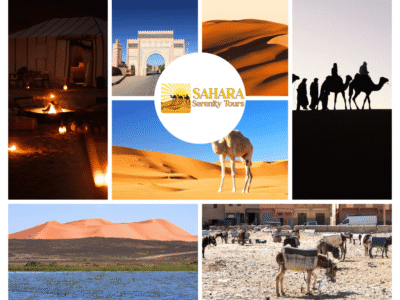
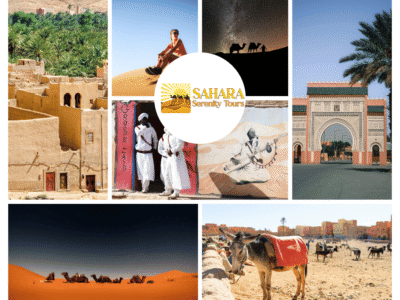
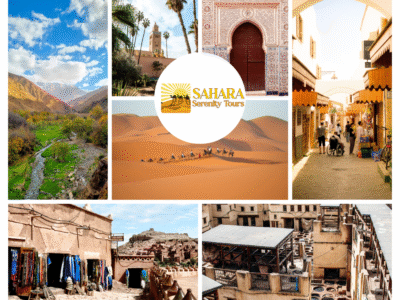
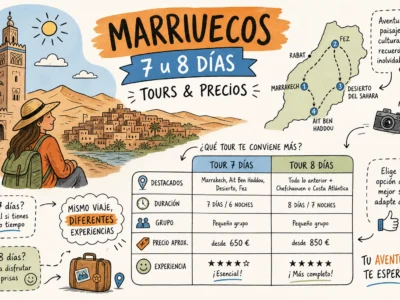
[…] When your camp is surrounded by 30 competing groups playing the same three songs on competing drums, the fireside music and stargazing experience loses everything it’s supposed to be. This is not a minor distinction. It is the difference between an experience your guests talk about for years and one they describe as “fine.” Research on traveler satisfaction in Erg Chebbi consistently confirms that crowding is the single most-cited factor undermining otherwise well-appointed camps. For a deeper comparison on how camp types and crowding affect the experience, see our Luxury Vs Budget Morocco Desert Tours. […]